

Home>
Resources>
Learning>
Articles>
GLP-1R/AMY3 Dual-Target Reporter Cell Line: An In Vitro Model for Weight-Loss Drug Screening
GLP-1R/AMY3 Dual-Target Reporter Cell Line: An In Vitro Model for Weight-Loss Drug Screening
Co-activation of the GLP-1 and amylin receptors has become a mainstream approach to weight-loss treatment. The two targets are usually expressed in different cell lines, however, so comparisons of EC50 across experiments remain confounded by differences in cellular background and experimental day. This article reviews the class B1 signaling characteristics of GLP-1R and the pharmacology of amylin receptors, in which CTR combines with RAMP1–3 to form AMY1–AMY3. It surveys publicly available data on three development approaches: combinations, unimolecular dual agonists, and amylin-selective agents. It also explains the key engineering considerations in stably integrating GLP1R, CALCR, and RAMP3 into the same HEK293 background and the limits of using this model for dual agonist activity profiling, AMY/CTR selectivity assessment, and potency testing.
I. Where the problem starts: Two receptors, two pathways, one cell
Over the past two years, most labs working on weight-loss drugs have been dealing with the same technical problem.
A candidate molecule acts on both the GLP-1 receptor and the amylin receptor, yet the two targets are usually expressed in separate cell lines. To see which receptor it activates more strongly, you have to run two experiments with two sets of cells on two different days, generate a curve each time, and put the two EC50 values side by side. How much of the difference comes from the molecule itself, and how much comes from the cellular background, receptor expression density, or the state of the cells at plating that day? It is hard to tell.
This is more than a minor procedural issue. The vast majority of GLP-1/amylin candidates in development are designed to act at multiple targets in a defined ratio. A combination brings two individual drugs together at fixed doses, whereas a unimolecular dual agonist joins two peptide sequences on one backbone. For the combination, the challenge is the ratio of exposure to the two components. For the dual agonist, it is the relative strength of a single backbone at the two receptors. Both designs call for the same thing: a common frame of reference in which to quantify activation of each receptor separately.
This article sets out to explain three things: the biology behind each target, how far drug development has progressed, and why we put GLP1R, CALCR (CTR), and RAMP3 into the same HEK293 cell line.
II. GLP-1R: A class B1 target validated over two decades
The glucagon-like peptide-1 receptor belongs to the class B1 (secretin family) G protein-coupled receptors, alongside GCGR, GIPR, GLP-2R, and GHRHR. These receptors share a structurally conserved N-terminal extracellular domain (ECD) of about 120–160 amino acids, which folds into an α-β-β-α arrangement stabilized by three disulfide bonds. The endogenous ligands GLP-1(7-36)NH2 and GLP-1(7-37) are generated by tissue-specific processing of proglucagon and act in β cells, intestinal L cells, and brainstem neurons.
The canonical GLP-1R signaling pathway is Gαs/cAMP/PKA. cAMP rises, Epac2 and PKA are activated, KATP channels close, and voltage-gated calcium channels open, ultimately triggering insulin granule release in a glucose-dependent manner. That glucose dependence underpins the safety of the whole drug class. When blood glucose is not elevated, there is no additional insulin secretion, so the risk of hypoglycemia is much lower than with sulfonylureas. In addition to Gs, GLP-1R can couple to Gαq and recruit β-arrestin through C-terminal phosphorylation, mediating receptor internalization and desensitization.
For anyone evaluating compounds in vitro, GLP-1R has a practical property: agonist activity in the cAMP pathway correlates fairly well with the dose used clinically. This is why CRE-driven reporter assays have long been a standard way to evaluate the activity of GLP-1 analogs. They measure what actually happens after the receptor is activated, rather than binding.
But GLP-1R alone can no longer explain what is happening in the field.
III. The amylin receptor: A “variable receptor” defined by CTR and RAMP3
Half the complexity of amylin signaling comes from the ligand and half from the way the receptor itself is assembled.
(1) RAMPs do more than play a supporting role
Amylin, also known as IAPP, is a 37-amino-acid peptide co-secreted with insulin by pancreatic islet β cells at a ratio of about 1:100. Its plasma half-life is under 15 minutes, and it is cleared primarily by the kidneys. It slows gastric emptying, suppresses postprandial glucagon secretion, and acts centrally to reduce food intake. In type 2 diabetes, the relationship between islet amyloid deposition and declining β-cell function has also kept this peptide at the center of a long-standing debate.
What makes the amylin receptor unusual is that it is not the product of a single gene.
At its core is the calcitonin receptor CTR (CALCR), a typical class B1 GPCR. It must associate with a member of the receptor activity-modifying protein (RAMP) family to become a functional amylin receptor. RAMP1, RAMP2, and RAMP3 associate with CTR to form AMY1, AMY2, and AMY3, respectively. RAMPs are type I membrane proteins with a single transmembrane domain and a relatively large N-terminal extracellular domain. They do much more than help the receptor reach the membrane.
Molecular chaperone: Promotes CTR trafficking out of intracellular compartments and proper glycosylation.
Pharmacological switch: Shifts CTR from a preference for calcitonin to a preference for amylin. This is the most fundamental contribution of a RAMP.
Regulation of signaling and trafficking: Affects G protein coupling efficiency, receptor internalization, and recycling. RAMP3 has a C-terminal PDZ-binding motif that contributes to receptor recycling, so AMY3 behaves somewhat differently from AMY1 during prolonged stimulation.
In other words, the same CTR paired with different RAMPs gives rise to pharmacologically distinct entities. That is why expressing CTR alone is insufficient for an in vitro model of amylin signaling.
(2) Where AMY3 is found and what it does
AMY1 and AMY3 have the highest affinity for amylin. In rodent in situ studies, the subtypes localized to the area postrema (AP) are AMY2a and AMY3a. The AP is a key central site for amylin-induced satiation, and lesions of the AP abolish the anorectic effect of amylin.
Co-expression of RAMP3 and CTR has also been observed in pathways involving the arcuate nucleus (ARC), nucleus of the solitary tract (NTS), ventral tegmental area (VTA), and nucleus accumbens (NAc). This mesolimbic dopamine pathway connects feeling full with wanting to eat. The role of AMY3 here is widely thought to involve food reward and the suppression of hedonic eating. Interestingly, animal studies show that high-fat intake downregulates RAMP3 expression in the NAc shell, suggesting that the composition of the receptor complex itself is a variable that can be regulated by metabolic state.
(3) Why AMY3?
If the goal is simply to screen for “amylin binding activity,” AMY1 or AMY2 can also yield a curve. When it comes to developing a drug, though, there are three reasons why AMY3 is indispensable.
1. It is one of the subtypes with the strongest preference for amylin, allowing a clearer distinction between amylin-like and calcitonin-like activity.
2. Its anatomical distribution overlaps substantially with central sites involved in satiation. Readouts from the AP and ARC/NTS pathways are more relevant to a weight-loss indication.
3. It provides a point of comparison for selective drug design. One of the safety issues drawing the most attention is the increase in calcitonin and risk of C-cell hyperplasia associated with CTR activation by amylin analogs. To assess a molecule’s AMY/CTR selectivity, you need a cellular background containing both CTR and AMY3 so you can tell which receptor actually contributes to the curve.
One experimental design detail is easy to overlook. When CTR and RAMP3 are co-expressed, some CTR in the cells inevitably remains RAMP3-free. This population is sensitive to calcitonin and relatively insensitive to amylin. A curve generated in an AMY3 model therefore reflects a mixed signal. You can disentangle it with a panel of ligands, using the ratio of the EC50 for amylin or pramlintide to the EC50 for salmon calcitonin (sCT) to assess RAMP3 dependence. The practical guidance section below explains how.
IV. Drug development progress: From combinations to single molecules to selectivity
Group the public data from the past few years by development approach, and it becomes clear that the three routes are addressing three different problems.
(1) Combinations: CagriSema puts numbers on “1+1>2”
Pramlintide was approved as an adjunct to insulin as early as 2005. It requires multiple daily injections, causes noticeable gastrointestinal reactions, and produces limited weight loss, however, and it was not a commercial success. The real turning point was CagriSema, a fixed-dose combination of the long-acting amylin analog cagrilintide with semaglutide.
REDEFINE 1 (68 weeks, n=3417, participants with obesity or overweight without diabetes) provides the strongest evidence for this approach. Under the treatment policy estimand, body weight decreased by 20.4% with CagriSema, 14.9% with semaglutide 2.4 mg alone, 11.5% with cagrilintide 2.4 mg alone, and 3.0% with placebo. Under the efficacy estimand, which assumes that all patients remained on treatment, the corresponding figures were 22.7%, 16.1%, 11.8%, and 2.3%. Two other figures stand out. A total of 40.4% of participants lost at least 25% of their body weight, and about half had a BMI below 30 at week 68. In participants with type 2 diabetes, the REIMAGINE program reported reductions in glycated hemoglobin of 1.8%–2.33% and weight loss of 12.0%–14.2%. The head-to-head comparison with semaglutide in REIMAGINE 2 was 14.2% vs 10.2%.
Only about 57% of patients receiving the combination had titrated to the highest dose by week 68. In other words, the 20.4% figure was achieved without everyone reaching the full dose. That suggests there may be room for greater efficacy, while also pointing to gastrointestinal tolerability as a practical constraint for this class of drugs.
(2) The unimolecular approach: One backbone, two receptors
The engineering challenge of a combination is straightforward: two peptides, two manufacturing processes, two stability profiles, and one ratio to get right. Unimolecular dual agonists aim to solve that problem with a single backbone.
Novo Nordisk’s zenagamtide (formerly amycretin) is a unimolecular GLP-1/amylin co-agonist. Phase 1b/2a data (36 weeks) showed about 24% weight loss in the highest-dose group under the efficacy estimand. A phase 2 trial in type 2 diabetes reported 14.6% weight loss and a 1.71% reduction in HbA1c at 40 mg. The phase 3 AMAZE 1 study is registered on ClinicalTrials.gov (NCT07339423), with planned enrollment of about 1150 participants, an 80-week treatment period, and parallel development of an oral formulation. If the oral formulation proves viable, this would be the first oral GLP-1/amylin combination. Its strategic value could outweigh the weight-loss figure itself.
(3) The selective approach: Making tolerability the primary endpoint
The third approach is driven by a different question: can patients stay on the drug long term? Maximum weight loss is secondary to that question.
Zealand Pharma reported about 10.7% weight loss at 42 weeks in phase 2 for petrelintide, which it has licensed to Roche. Tolerability drew more attention. No vomiting was observed at the highest effective dose, and discontinuation due to adverse events was almost as infrequent as with placebo. In September 2026, the phase 3 ZUPREME program began, with three placebo-controlled studies, about 7000 participants, and a primary endpoint at 64 weeks. Lilly built selectivity into the molecular design of eloralintide, which has 50–100-fold selectivity for amylin receptors over CTR. In phase 2 it produced dose-dependent weight loss ranging from 9.5% to 20.1%, and phase 3 has begun.
Dosing frequency is another area of competition. Pfizer’s MET-233i is a once-monthly amylin analog with a half-life of about 19 days. GUB-014295, from AbbVie’s collaboration with Gubra, is a long-acting amylin–calcitonin dual agonist that showed 7.75%–9.79% weight loss in phase 1.
Table 1. In vitro model requirements for four development approaches
|
Approach |
Representative molecules |
Mechanism |
Key public data |
In vitro model requirements |
|
Combination |
CagriSema |
Cagrilintide + semaglutide |
REDEFINE 1: 20.4% (treatment policy) / 22.7% (efficacy). REIMAGINE 2 head-to-head: 14.2% vs 10.2% |
Potency of each component in the same cellular background to assess whether the ratio is appropriate |
|
Unimolecular |
zenagamtide (amycretin) |
GLP-1/amylin co-agonism |
Phase 1b/2a: up to about 24% at 36 weeks (efficacy estimand). T2D phase 2: 14.6% |
Relative potency and intrinsic efficacy of one backbone at both receptors, requiring comparable pEC50 values |
|
Selective |
petrelintide, eloralintide |
Preference for amylin receptors with reduced CTR activity |
Phase 2: 10.7% (42 weeks) and 9.5%–20.1% |
A background containing both AMY3 and CTR to quantify fold selectivity |
|
Long-acting |
MET-233i, GUB-014295 |
Once-monthly formulation / long-acting dual agonism |
Phase 1: 7.75%–9.79% |
Assessment of desensitization and signal decay during prolonged stimulation |
All four approaches point to the same in vitro requirement: separate, comparable readouts of GLP-1R and AMY3 activation. That is why we put all three genes into the same cell line.
V. The design rationale for RQP71592
Given the receptor pharmacology and drug development landscape outlined above, the design of this cell line comes down to three decisions.
(1) Three genes, four selection markers
The HEK293 Human GLP1R CTR/RAMP3(AMY3) Dual-Target Reporter Cell Line (Cat. No. RQP71592) was generated by introducing exogenous genes via both plasmid and lentiviral delivery. The cells stably express human GLP1R, CALCR (CTR), and RAMP3 in an HEK293 background, forming two functional receptors, GLP-1R and AMY3.
Getting the genes in is only the first step. Keeping their expression stable is the engineering challenge. The most common failure mode in stable integration of three genes is that, after selection pressure is removed, integration sites are silenced, copy numbers drift, and the phenotype gradually weakens over a dozen or so passages. The curve is still there, but the EC50 shifts to the right with each passage. The culture medium therefore maintains four forms of selection pressure: puromycin at 2 μg/mL, hygromycin B at 200 μg/mL, blasticidin at 5 μg/mL, and G418 at 400 μg/mL. Using all four antibiotics in parallel provides redundant selection for multigene integration. In practical terms, users should avoid simplifying the medium formulation, a point we return to below.
The stoichiometric relationship between RAMP3 and CTR also deserves attention. AMY3 formation depends on having RAMP3 in excess of CTR. If both are expressed at equal levels, a substantial proportion of CTR remains in monomeric form, giving rise to a calcitonin-sensitive, amylin-insensitive background signal. We designed the cell line to overexpress RAMP3 and used a panel of ligands during single-clone screening to verify that AMY3 assembly was sufficient. This is why the Western blot and dose–response data should be considered together.
(2) Dual reporter readout
Both receptors in this cell line signal through the Gs–cAMP pathway, so a reporter gene driven by a cAMP response element (CRE) can quantify the strength of activation. The dual reporter design allows the two pathways to be read separately in the same well, directly yielding comparable pEC50 and Emax values for each pathway. The product data also include an HTRF cAMP assay (Figure 4), an orthogonal means of validation that does not rely on transcription and is closer to receptor-proximal events.
This combination addresses a specific problem. The reporter assay is sensitive and amenable to high throughput, but it integrates signal at the transcriptional level and is subject to amplification and saturation. HTRF measures cAMP directly. Its dynamic range is somewhat narrower, but it can reflect the immediate state of receptor activation. Agreement between the assays gives the conclusion a sound footing. Disagreement often points to pathway crosstalk, ligand stability issues, or receptor desensitization, which is informative in its own right.
(3) Validated data
Product release data consist of four sets: Western blot validation of GLP1R and CTR expression (Figures 1 and 2), dose–response curves for several agonists in the cell line (Figure 3), and HTRF cAMP assay data (Figure 4). For users, the practical point is that there is no need to build a reference system from scratch after receiving the cells. You can run a parallel validation with your own reference agonists and proceed to screening once lot-to-lot consistency has been confirmed.
The cells are grown as an adherent culture, with passage stability tested internally through passage 32. They tested negative for mycoplasma. The cryopreservation medium consists of 90% FBS + 10% DMSO. Transfer the cells to liquid nitrogen immediately upon receipt. These details may seem minor, but they determine whether an engineered cell line can provide a reproducible experimental foundation.
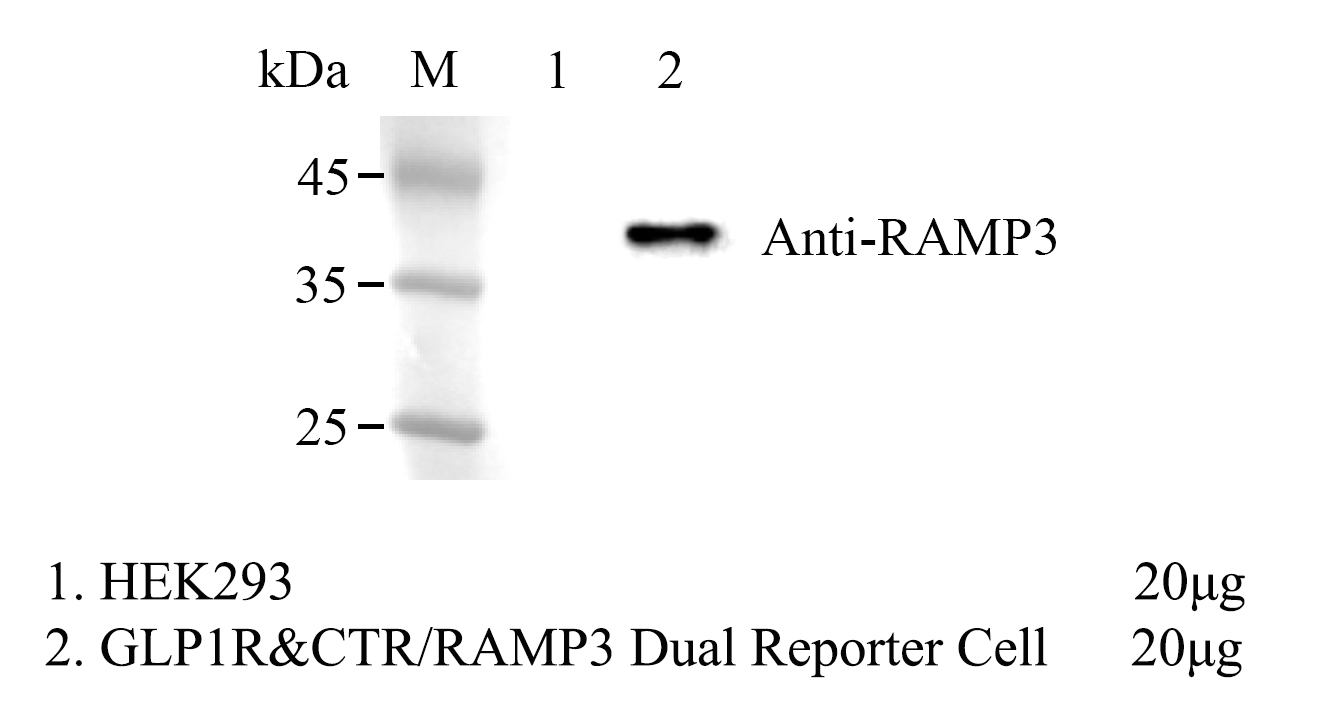
Figure 1. WB of GLP1R CTR/RAMP3 Dual Reporter Cell.
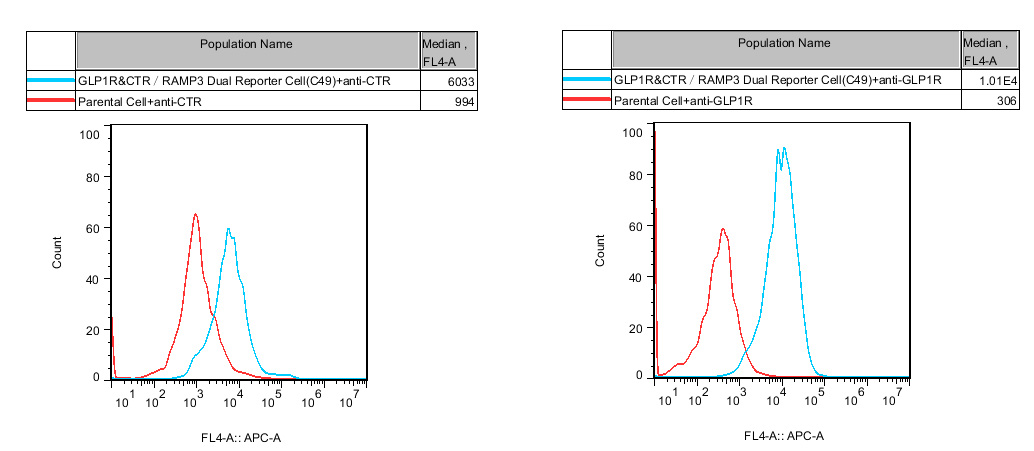
Figure 2. Recombinant GLP1R CTR/RAMP3 Dual Reporter Cell stably expressing CTR GLP1R.
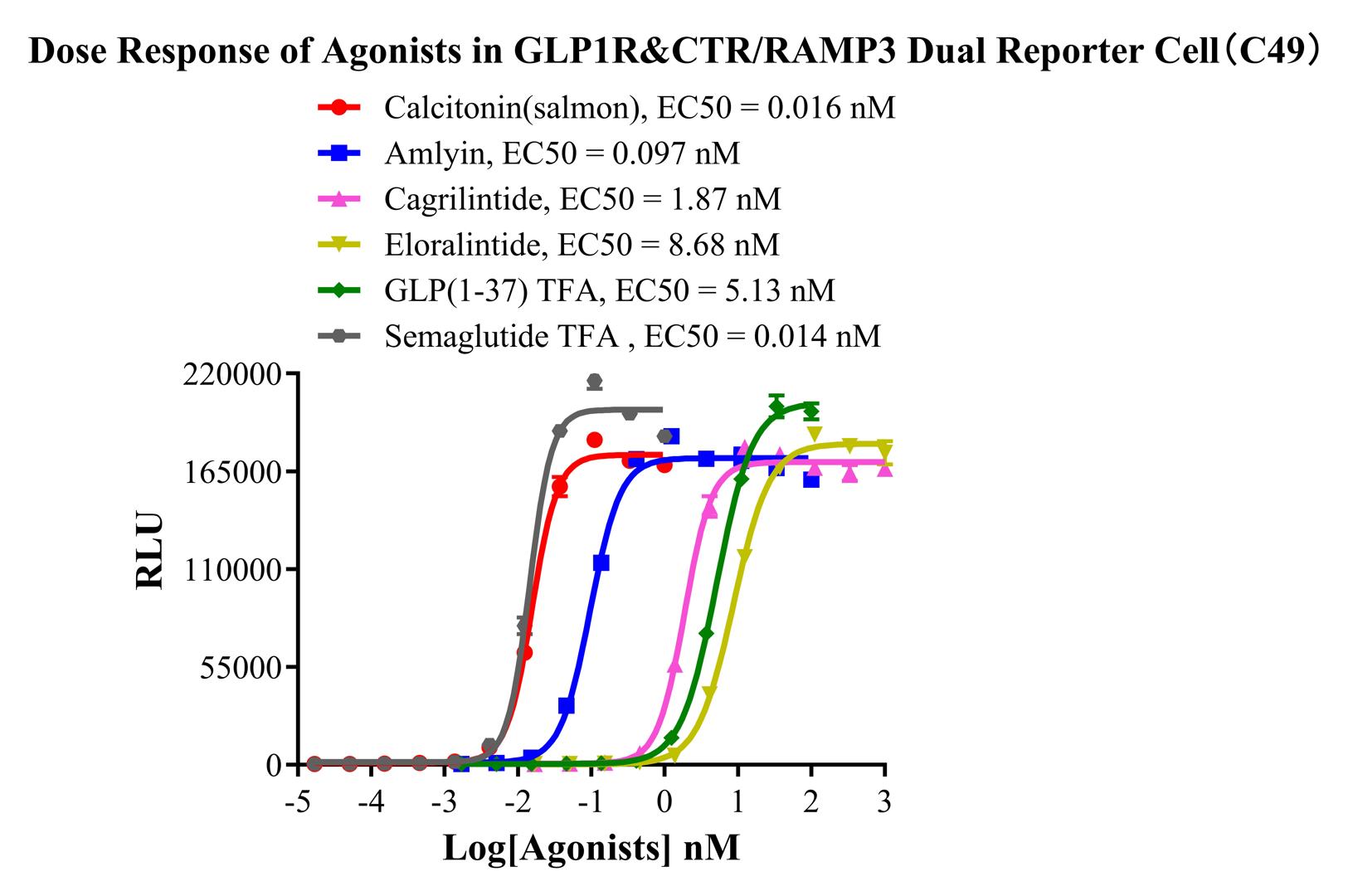
Figure 3. Dose Response of Agonists in GLP1R CTR/RAMP3 Dual Reporter Cell(C49).
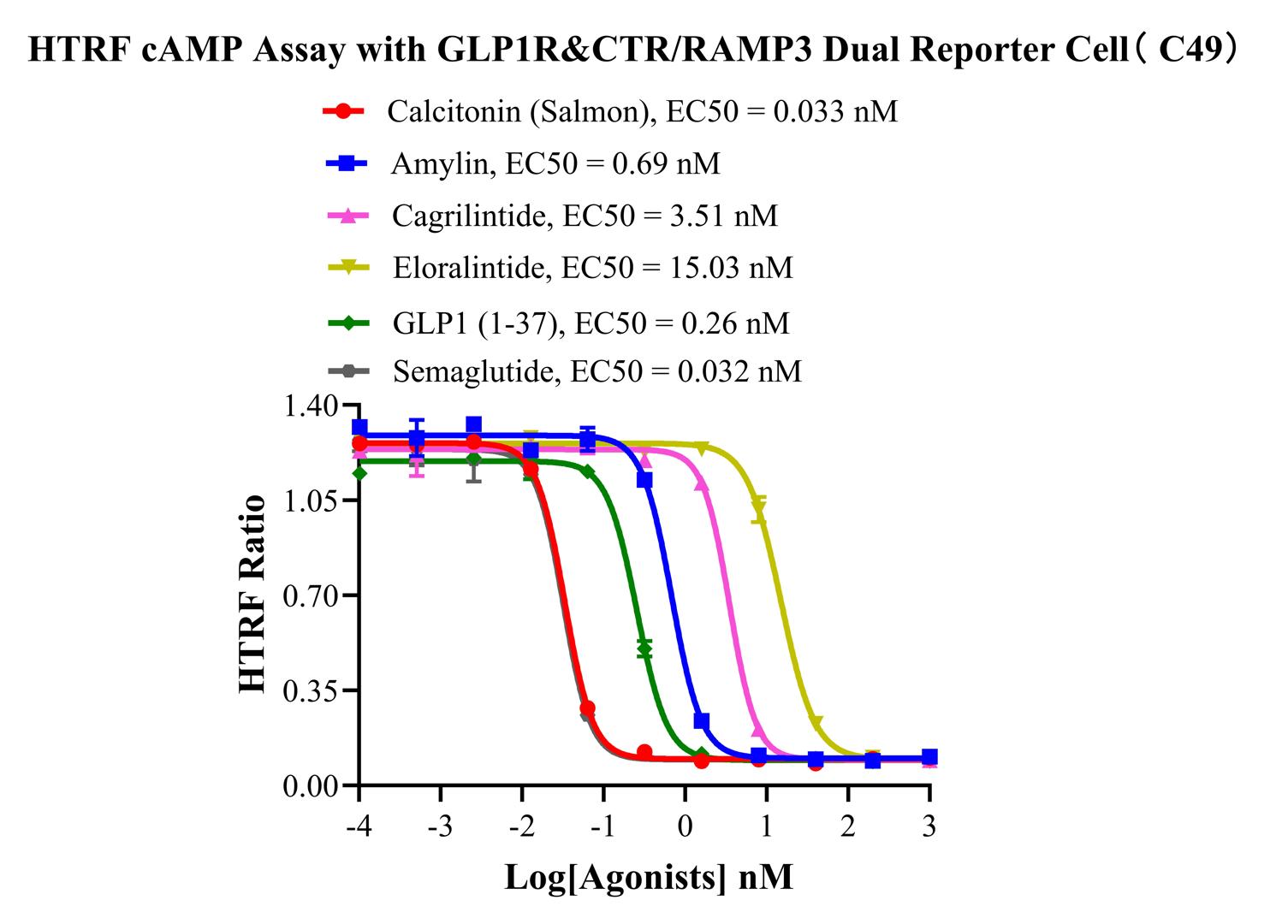
Figure 4. HTRF cAMP Assay with GLP1R CTR/RAMP3 Dual Reporter Cell(C49).
VI. Six typical applications
1. Activity profiling of unimolecular dual agonists. Plate once, incubate once, and take one reading to obtain two curves for the candidate molecule, one for GLP-1R and one for AMY3. The difference between the two pEC50 values gives the molecule’s relative preference and can be used directly to rank leads without differences in cell state between experimental days confounding the comparison.
2. Assessing the rationale for a combination ratio. Measure the potency and intrinsic efficacy of each component at its own receptor, then use exposure data to assess whether the fixed ratio gives balanced receptor occupancy.
3. Assessing AMY/CTR selectivity. Use the ratio of the EC50 for amylin to that for sCT to quantify RAMP3 dependence and identify molecules that appear to be amylin agonists but primarily activate CTR. With long-term administration, such molecules carry risks of elevated calcitonin and C-cell hyperplasia, an issue currently receiving regulatory attention.
4. Checking for off-target and cross-activity. The same system can quickly rule out unintended activation of the amylin pathway by GLP-1 analogs or of GLP-1R by amylin analogs.
5. Investigating receptor pharmacology. The cell line can be used to design controlled experiments on differences between RAMP3-dependent and RAMP3-independent signaling, desensitization and resensitization during prolonged stimulation, and the effect of β-arrestin recruitment on the cAMP readout.
6. Developing methods for biological activity testing. As a cell-based potency assay, the reporter assay offers high throughput and low variability, making it a practical way to replace some animal experiments and implement the 3Rs. This product is for research use only (RUO) and is not intended for clinical, therapeutic, or diagnostic use in humans or animals.
VII. Practical guidance: Common pitfalls
Caution: Do not “optimize” the medium by removing antibiotics. All four resistance markers are needed to maintain the three-gene phenotype. Lowering the concentration of an antibiotic or removing one of them to accelerate growth may have no visible effect in the short term. A narrower signal window and a rightward shift in EC50 typically appear after passage 10.
Establish a working cell bank and control passage number. After thawing, expand the cells to P3–P5 to establish a WCB. For all experiments, use cells within 3–8 passages after the WCB. Internal testing supports passaging through passage 32, but being able to reach passage 32 does not mean that data from passages 32 and 5 are comparable.
Use a panel of ligands to disentangle the mixed signal. We recommend at least three reference agonist curves: GLP-1(7-36)NH2 or semaglutide for the GLP-1R axis, human amylin or pramlintide for the AMY3 axis, and sCT as a nonselective CTR/AMY agonist. Antagonist confirmation can use exendin(9-39) for GLP-1R and sCT(8-32) for CTR/AMY. An sCT curve alone cannot establish selectivity because sCT is a strong agonist at both CTR and AMY3.
Watch for peptide ligand losses due to adsorption. Amylin-related peptides readily adsorb to plastic surfaces in low-protein conditions. We recommend preparing serial dilutions in buffer containing 0.1% BSA and avoiding prolonged storage of solutions in deep-well plates with poor low-binding performance.
Match the incubation time to the readout. Reporter assays typically take several hours to build up signal. HTRF requires a short incubation and a readout as soon as possible after the reaction is stopped. Avoid using the same plates for both methods after prolonged treatment, since the HTRF readout could reflect receptors that have already desensitized.
Report the data consistently. Run at least three independent experiments, use four-parameter nonlinear fitting, and report pEC50, Emax relative to the reference agonist, and 95% confidence intervals. Reporting EC50 alone can conceal a key feature of partial agonists, which is common among multitarget peptide drugs.
VIII. Conclusion
Combining GLP-1 and amylin has gone from a plausible mechanistic hypothesis to a therapeutic strategy supported by phase 3 data. Competition in the field is unlikely to remain centered on who can deliver the highest percentage of weight loss. It is likely to shift toward tolerability, dosing frequency, the feasibility of oral dosing, and more finely resolved selectivity profiles.
Many of these questions first have to be asked in vitro. Asking them clearly requires a cell model that puts GLP-1R and AMY3 in the same frame of reference, allows each to be read separately, and yields reproducible results.
That is what we set out to do by putting three genes, four selection markers, and two readout routes in one HEK293 cell line. The model will not make the decision for you, but it can at least make comparing two EC50 values as straightforward as looking at two curves on the same plot.
FAQ
Q: Can this cell line measure GLP-1R and AMY3 signaling at the same time?
A: Yes. Both receptors signal through Gs–cAMP, and the dual reporter design allows the two pathways to be read separately in the same well. HTRF cAMP can also be used for orthogonal validation. We recommend including selective ligand controls to attribute each response to its pathway.
Q: Why not measure the two targets separately in two single-target cell lines?
A: You can, but receptor expression density, the state of the cells at plating, and the experimental day differ between the two cell lines, making it hard to attribute a difference between the two EC50 values to the molecule itself. The two curves are directly comparable when generated in the same cellular background.
Q: How do reporter assays and HTRF cAMP differ, and which should I choose?
A: Reporter assays are sensitive and amenable to high throughput, making them suitable for screening and potency testing. HTRF measures receptor-proximal cAMP and is suitable for mechanistic validation and rapid confirmation. Confidence is highest when the two assays agree.
Q: If AMY3 and CTR are in the same cell, how can I tell whether a molecule really prefers the amylin receptor?
A: Use the ratio of the EC50 for amylin or pramlintide to that for sCT to assess RAMP3 dependence. sCT alone cannot make this distinction because it is a strong agonist at both CTR and AMY3.
References
[1] de Graaf C, Donnelly D, Wootten D, et al. Glucagon-Like Peptide-1 and Its Class B G Protein-Coupled Receptors: A Long March to Therapeutic Successes[J]. Pharmacol Rev, 2016, 68(4): 954–1013.
[2] Hay DL, Chen S, Pitteloud N, et al. Amylin: Pharmacology, Physiology, and Clinical Potential[J]. Pharmacol Rev, 2015, 67(3): 564–600.
[3] McLatchie LM, Fraser NJ, Main MJ, et al. RAMPs regulate the transport and ligand specificity of the calcitonin-receptor-like receptor[J]. Nature, 1998, 393(6683): 333–339.
[4] Poyner DR, Sexton PM, Marshall I, et al. International Union of Pharmacology. XXXII. The mammalian calcitonin gene-related peptides, adrenomedullin, amylin, and calcitonin receptors[J]. Pharmacol Rev, 2002, 54(2): 233–246.
[5] Bailey RJ, Walker CS, Ferner AH, et al. Pharmacological characterization of rat amylin receptors: implications for the nomenclature of amylin receptor subtypes[J]. Br J Pharmacol, 2012, 166(1): 166–177.
[6] Lutz TA. Control of energy homeostasis by amylin[J]. Cell Mol Life Sci, 2012, 69(12): 1947–1965.
[7] Lau DCW, Erichsen L, Francisco AM, et al. Once-Weekly CagriSema in Adults with Overweight or Obesity (REDEFINE 1)[J]. N Engl J Med, 2025.
[8] Novo Nordisk. CagriSema demonstrates superior weight loss in adults with obesity or overweight in the REDEFINE 1 trial[R]. Company announcement, 20 December 2024.
[9] Zealand Pharma. ZUPREME phase 3 programme initiation in amylin analog petrelintide[R]. Company announcement, September 2026.
[10] ClinicalTrials.gov. AMAZE 1: A Research Study of NNC0487-0111 (amycretin) in Participants With Overweight or Obesity[EB/OL]. NCT07339423.
Note: The clinical data in this article come from public company disclosures and peer-reviewed publications. Direct comparisons across trials are not possible because the populations, treatment durations, and estimands differ.


news recommendation
CaSR: The Calcium Homeostasis Sentinel and a Core GPCR Target for Metabolic and Kidney Disease Research
CD3E: The T-Cell Activation Switch and Cell Models for Targeted Therapeutics
NFAT Signaling Pathway: A Critical Target for Drug R&D and Cell Models
TSHR Cell Model for Thyroid Cancer Drug Screening | GPCR Assay Platform-Reqbio
Worldwide Commercial Licensing Rights Secured:Jurkat E6.1, CHO-K1, HEK293, THP-1, Raji Cell Lines-Expanding Our Capabilities in Cell-Based Research.
Explore


info@reqbio.com
