
HEK293 Human TLR7/NFκB-Luc Cell
Cat. No: RQP74090
Size: 1 vial of frozen cells (>1E6 per vial in 1 mL)
Unit Price: Contact For Pricing
Product Info
Description
Biological Information
Assay Data
Cell Culture
| Cat. No | RQP74090 |
| Product Name | HEK293 Human TLR7/NFκB-Luc Cell |
| Product Type | Reporter Cell |
| Culture Properties | Adherent |
| Stability | 32passages (in-house test, that not means the cell line will be instable beyond the passages we tested.) |
| Mycoplasma Status | Negative |
| Culture Medium | MEM + 10% Foetal Bovine Serum (FBS)+ 1% Non Essential Amino Acids (NEAA) +1mM Sodium Pyruvate (NaP) +100μg/ml Hygromycin B+1μg/ml puromycin |
| Freeze Medium | 90% FBS+10% DMSO |
| Storage Conditions | Liquid nitrogen immediately upon delivery |
| Application | Functional(Report Gene) Assay |
For research use only. Not intended for human or animal clinical trials, therapeutic or diagnostic use.
Toll-like receptors (TLRs) are highly conserved pattern recognition receptors (PRRs) capable of recognizing various types of pathogen-associated molecular patterns (PAMPs) derived from microorganisms. In humans, 10 members of the Toll-like receptor family (TLR1–10) have been identified, while 12 members (TLR1–9, TLR11, and TLR13) have been found in mice. TLR1, TLR2, TLR4, TLR5, and TLR6 are localized to the cell surface membrane; conversely, TLR3, TLR7, TLR8, TLR9, and TLR10 are localized to the membranes of intracellular endosomes (specifically, TLR3 recognizes dsRNA, and TLR9 recognizes dsDNA). The activation of downstream signaling pathways mediated by TLRs primarily relies on two classes of transcription factors: NF-κB and interferon regulatory factors (IRFs), which predominantly induce the production of pro-inflammatory cytokines and type I interferons (IFNs).
TLR7 is a critical pattern recognition receptor protein involved in the recognition of viral nucleic acids. The activation of TLR7 and TLR8 triggers the induction of Th1-type innate immune responses. The expression profile of TLR7 varies across different cell types and is subject to differential regulation. Compared to other circulating immune cells, the constitutive expression of TLR7 is most prominent in human and murine plasmacytoid dendritic cells (pDCs) and B cells. Sequence-specific single-stranded RNA (ssRNA) is considered the natural ligand for TLR7; upon activation, it induces the production of IFN-α, TNF-α, and IL-12. ssRNA sequences derived from viruses such as HIV-1, HBV, or influenza virus can induce pDCs to produce pro-inflammatory cytokines, thereby exerting an immune-enhancing effect. Furthermore, TLR7 is considered a potential therapeutic target for cancer treatment; for instance, the TLR7/8 agonist R848 has been shown to induce anti-tumor responses and ameliorate cachexia. The principle by which TLR7 agonists exert their anti-tumor effects involves stimulating pDCs to secrete IFN-α and acting upon other immune cells (such as NK cells and macrophages) to enhance immune responses. Simultaneously, these agonists activate pDCs—thereby enhancing their antigen-presenting capabilities—promote the proliferation of CD4+ T cells, and subsequently activate CD8+ T cells to eliminate tumor cells, thereby exerting an anti-tumor effect.
The TLR7 NFκB-Luc HEK293 reporter gene drug target model accurately simulates the in vivo signal transduction process of TLR7; the underlying principle is illustrated in the figure below.
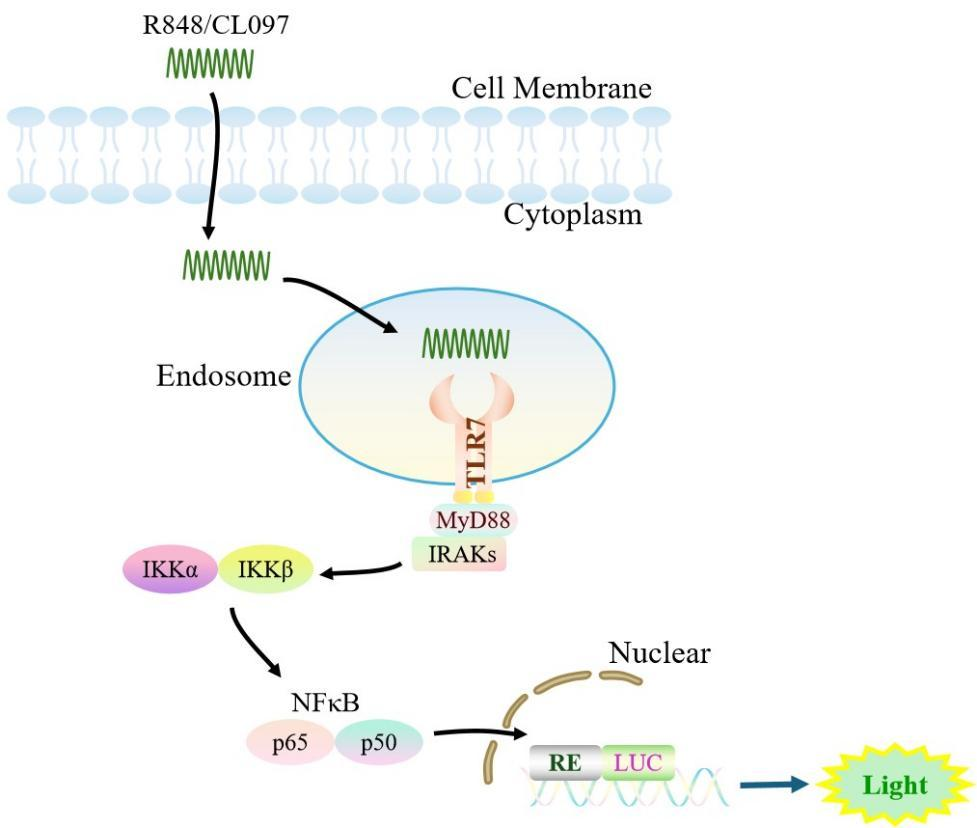
Figure 1. Schematic Diagram of the TLR7/NFκB-Luc HEK293 Cell Model
| Classification | TLR |
| Family | Toll-like receptor family |
| Gene Name | TLR7 |
| Gene Aliases | N/A |
| Gene ID | 51284 |
| Accession Number | NM_016562.4 |
| UniProt Number | Q9NYK1 |
| Protein Name | Toll-like receptor 7 |
| Protein Aliases | N/A |
| Target Species | Human |
| Host cell | HEK293 |
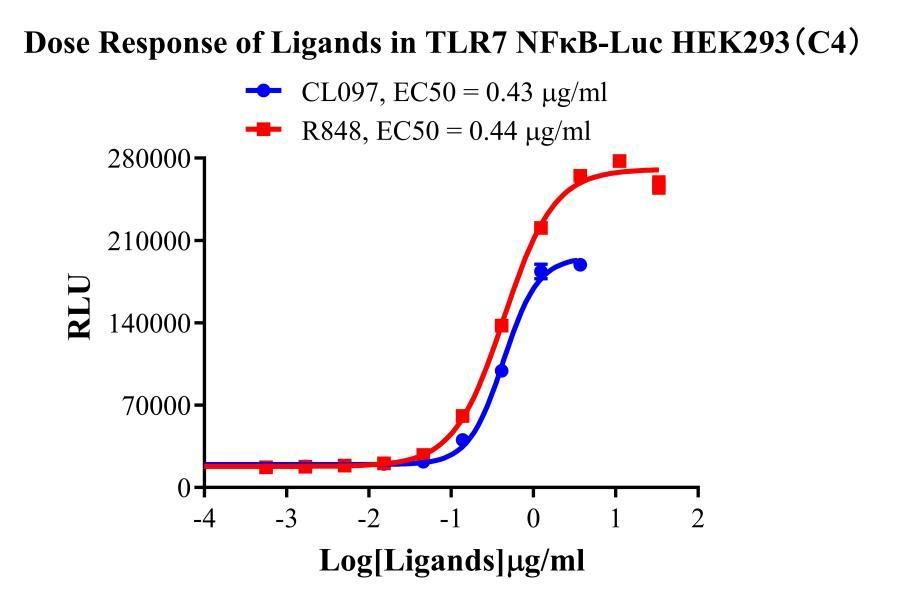
Figure 2.Dose Response of Ligands in TLR7 NFκB HEK293(C4).
Cell Resuscitation
1)Rapidly thaw the frozen cells in a 37 °C water bath for approximately 60 seconds. Once thawed (which may take slightly less or more than 60 seconds), immediately transfer the cell suspension from the cryovial into a 15 mL centrifuge tube containing 10 mL of pre-warmed HEK293 Human TLR7/NFκB-Luc Cell complete culture medium.
2)Centrifuge cells at 1000 rpm for 5 min to remove medium, then resuspend cells in 5 mL of pre-warmed complete medium.
3)Transfer the cell suspension into a T25 culture flask and incubate at 37 °C with 5% CO₂.
4)After approximately 24–36 hours, replace the medium or passage the cells to remove non-adherent dead cells.
Subculturing procedure
1)When the cell density reaches the appropriate confluency for passaging, wash the cells with PBS, then add 1 mL trypsin to detach the cells. When more than 80% of the cells detach upon gently tapping the culture flask, add complete culture medium to terminate digestion. Gently pipette to obtain a single-cell suspension, transfer to a 15 mL centrifuge tube, and centrifuge at 1000 rpm for 5 minutes.
2)Discard supernatant after centrifugation. Resuspend cells in fresh medium to a single-cell suspension and transfer to a new culture flask for continued growth.
Cell Freezing
After trypsinization and centrifugation of cells from each T75 flask or 10 cm culture dish, discard the supernatant. Add 2 mL of cryopreservation medium (90% FBS + 10% DMSO), gently resuspend thoroughly, and aliquot into two cryovials. Immediately place the cryovials into a controlled-rate freezing container (e.g., Nalgene 5100-0001), fill with isopropanol to the indicated level, and store at −80 °C. After 24 hours, transfer the cryovials to liquid nitrogen for long-term storage.
Related products
CHO-K1 Human NTSR2 Cell Line
CHO-K1 Human CCR4 Cell Line
HEK293 Human NK1R CRE-Luc Cell Line
Raji-Luc-GFP
Jurkat E6.1-Luc
We Are Pleased to Announce: Global Commercial Licensing Rights for Jurkat E6.1, CHO-K1, HEK293, THP-1 and RAJI Cell Lines Officially Secured.
ExploreWe Are Pleased to Announce: Global Commercial Licensing Rights for Jurkat E6.1, CHO-K1, HEK293, THP-1 and RAJI Cell Lines Officially Secured.
Explore