
EN
CHO-K1 Human RXFP2 Cell Line
Cat. No: RQP71622
Size: 1 vial of frozen cells (>1E6 per vial in 1 mL)
Unit Price: Contact For Pricing
Description
Product Info
Biological Info
Assay Data
Cell Culture
This product is a CHO-K1 stable cell line that stably expresses tag-free full-length human RXFP2 receptor. Upon agonist binding to human RXFP2, the receptor activates Gαs, triggering adenylate cyclase activation and the generation of cAMP. Therefore, receptor activity can be easily quantified in live cells in a dose-response manner by measuring cAMP. The cell line has been functionally validated with positive agonists. It is suitable for HTS and receptor functional evaluation assays.
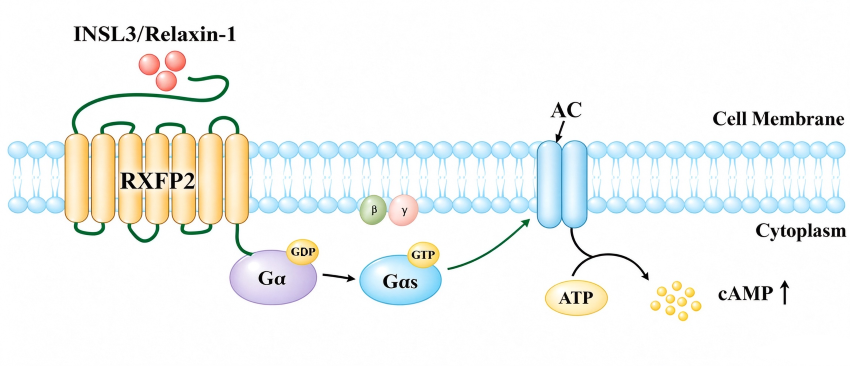
Figure 1. Schematic diagram of the RXFP2 CHO-K1 cell model
| Cat. No | RQP71622 |
| Product Name | CHO-K1 Human RXFP2 Cell Line |
| Culture Properties | Adherent |
| Stability | 32 passages (in-house test, that not means the cell line will be instable beyond the passages we tested.) |
| Mycoplasma Status | Negative |
| Culture Medium | F12K+10% FBS+5 μg/ml Puromycin |
| Freeze Medium | 90% FBS+10% DMSO |
| Storage Conditions | Liquid nitrogen immediately upon delivery |
| Transducer | Gs |
| Application | Functional assays for RXFP2 |
| Safety Precautions |
Wear lab coat, disposable gloves to avoid direct sample contact. For spills: apply disinfectant, allow full inactivation, then clean up. |
For research use only. Not intended for human or animal clinical trials, therapeutic or diagnostic use.
| Target Class | GPCR |
| Family | Relaxin family peptide receptors |
| Sub Family | Class A(Rhodopsin) |
| Gene Name | RXFP2 |
| Gene Aliases | GREAT; GPR106; INSL3R; RXFPR2 |
| Gene ID | 122042 |
| Accession Number | NM_130806 |
| UniProt Number | Q8WXD0 |
| Protein Name | Relaxin receptor 2 |
| Protein Aliases | G-protein coupled receptor 106; GREAT; Relaxin family peptide receptor 2 |
| Target Species | Human |
| Host cell | CHO-K1 |
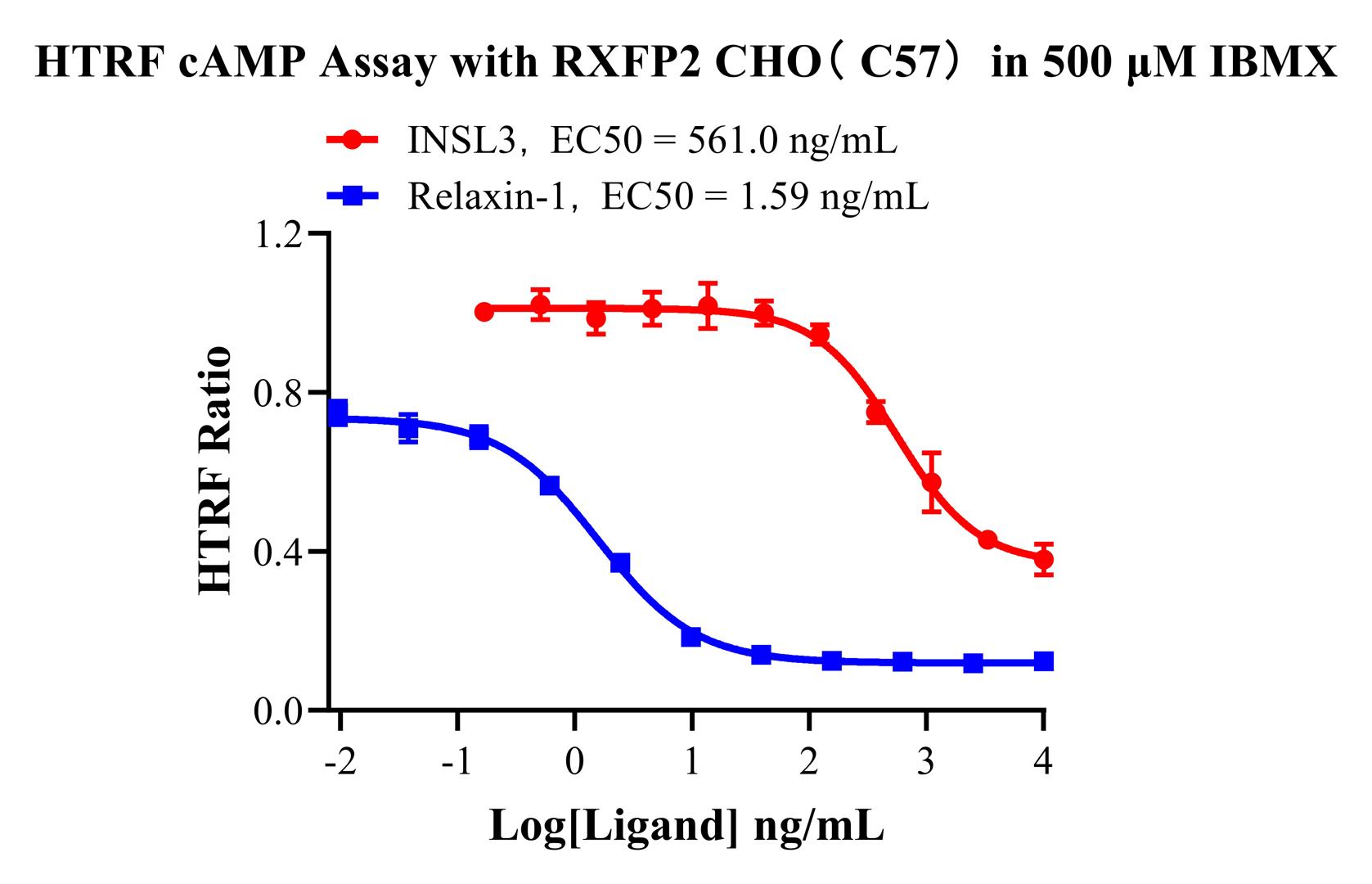
Figure 1. HTRF cAMP Assay with RXFP2 CHO-K1(C57) in 500 μM IBMX
Relaxin‑1 activates RXFP2 with an EC50 of 1.59 ng/mL, while INSL3 shows an EC50 of 561.0 ng/mL. The data clearly demonstrates that Relaxin‑1 possesses much higher agonist potency toward RXFP2 compared with INSL3.
Cell Resuscitation
1)Rapidly thaw the frozen cells in a 37 °C water bath for approximately 60 seconds. Once thawed (which may take slightly less or more than 60 seconds), immediately transfer the cell suspension from the cryovial into a 15 mL centrifuge tube containing 10 mL of pre-warmed CHO-K1 Human RXFP2 Cell Line complete culture medium.
2)Centrifuge cells at 1000 rpm for 5 min to remove medium, then resuspend cells in 5 mL of pre-warmed complete medium.
3)Transfer the cell suspension into a T25 culture flask and incubate at 37 °C with 5% CO₂.
4)After approximately 24–36 hours, replace the medium or passage the cells to remove non-adherent dead cells.
Subculturing procedure
1)When the cell density reaches the appropriate confluency for passaging, wash the cells with PBS, then add 1 mL trypsin to detach the cells. When more than 80% of the cells detach upon gently tapping the culture flask, add complete culture medium to terminate digestion. Gently pipette to obtain a single-cell suspension, transfer to a 15 mL centrifuge tube, and centrifuge at 1000 rpm for 5 minutes.
2)Discard supernatant after centrifugation. Resuspend cells in fresh medium to a single-cell suspension and transfer to a new culture flask for continued growth.
Cell Freezing
After trypsinization and centrifugation of cells from each T75 flask or 10 cm culture dish, discard the supernatant. Add 2 mL of cryopreservation medium (90% FBS + 10% DMSO), gently resuspend thoroughly, and aliquot into two cryovials. Immediately place the cryovials into a controlled-rate freezing container (e.g., Nalgene 5100-0001), fill with isopropanol to the indicated level, and store at −80 °C. After 24 hours, transfer the cryovials to liquid nitrogen for long-term storage.
Related products
Worldwide Commercial Licensing Rights Secured:Jurkat E6.1, CHO-K1, HEK293, THP-1, Raji Cell Lines-Expanding Our Capabilities in Cell-Based Research.
Explore


info@reqbio.com
