
CHO-K1 Human LPAR1 Cell Line
Cat. No: RQP71666
Size: 1 vial of frozen cells (>1E6 per vial in 1 mL)
Unit Price: Contact For Pricing
Description
Product Info
Biological Information
Assay Data
Cell Culture
LPAR1 (lysophosphatidic acid receptor 1) is a G protein-coupled receptor encoded by the *LPAR1* gene and a member of the EDG receptor family; its endogenous ligand is lysophosphatidic acid (LPA). By coupling with various G proteins—such as G(i/o), G(12/13), and G(q)—this receptor mediates a wide range of biological functions, including cell proliferation, migration, platelet aggregation, smooth muscle contraction, and tumor cell invasion. LPAR1 plays a pivotal role in pulmonary fibrosis, neuropathic pain, central nervous system disorders, and various cancers, making it a significant target for drug development.
| Cat. No | RQP71666 |
| Product Name | CHO-K1 Human LPAR1 Cell Line |
| Culture Properties | Adherent |
| Stability | 32passages (in-house test, that not means the cell line will be instable beyond the passages we tested.) |
| Mycoplasma Status | Negative |
| Culture Medium | F12K + 10%FBS + 5μg/ml Puromycin |
| Freeze Medium | 90% FBS+10% DMSO |
| Storage Conditions | Liquid nitrogen immediately upon delivery |
| Transducer | Gi/Go & Gq |
| Application | Functional assay for LPAR1 |
| Safety Precautions |
Wear lab coat, disposable gloves to avoid direct sample contact. For spills: apply disinfectant, allow full inactivation, then clean up. |
For research use only. Not intended for human or animal clinical trials, therapeutic or diagnostic use.
| Target Class | GPCR |
| Family | G protein-coupled receptor 1 family |
| Sub Family | Class A(Rhodopsin) |
| Gene Name | LPAR1 |
| Gene Aliases |
edg-2;rec.1.3;vzg-1;Gpcr26;Mrec1.3;LPA1
|
| Gene ID | 1902 |
| Accession Number | NM_001351411 |
| UniProt Number | Q92633 |
| Protein Name | Lysophosphatidic acid receptor 1 |
| Protein Aliases | LPA receptor 1; LPA-1 |
| Target Species | Human |
| Host cell | CHO-K1 |
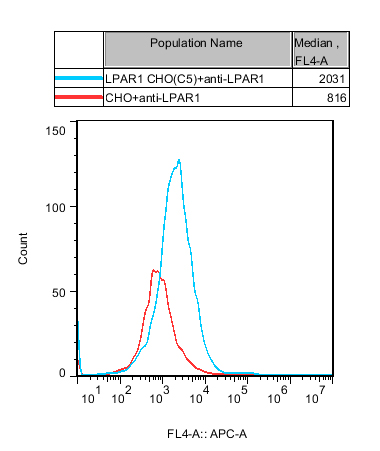
Figure 1. Recombinant LPAR1 CHO stably expressing LPAR1.
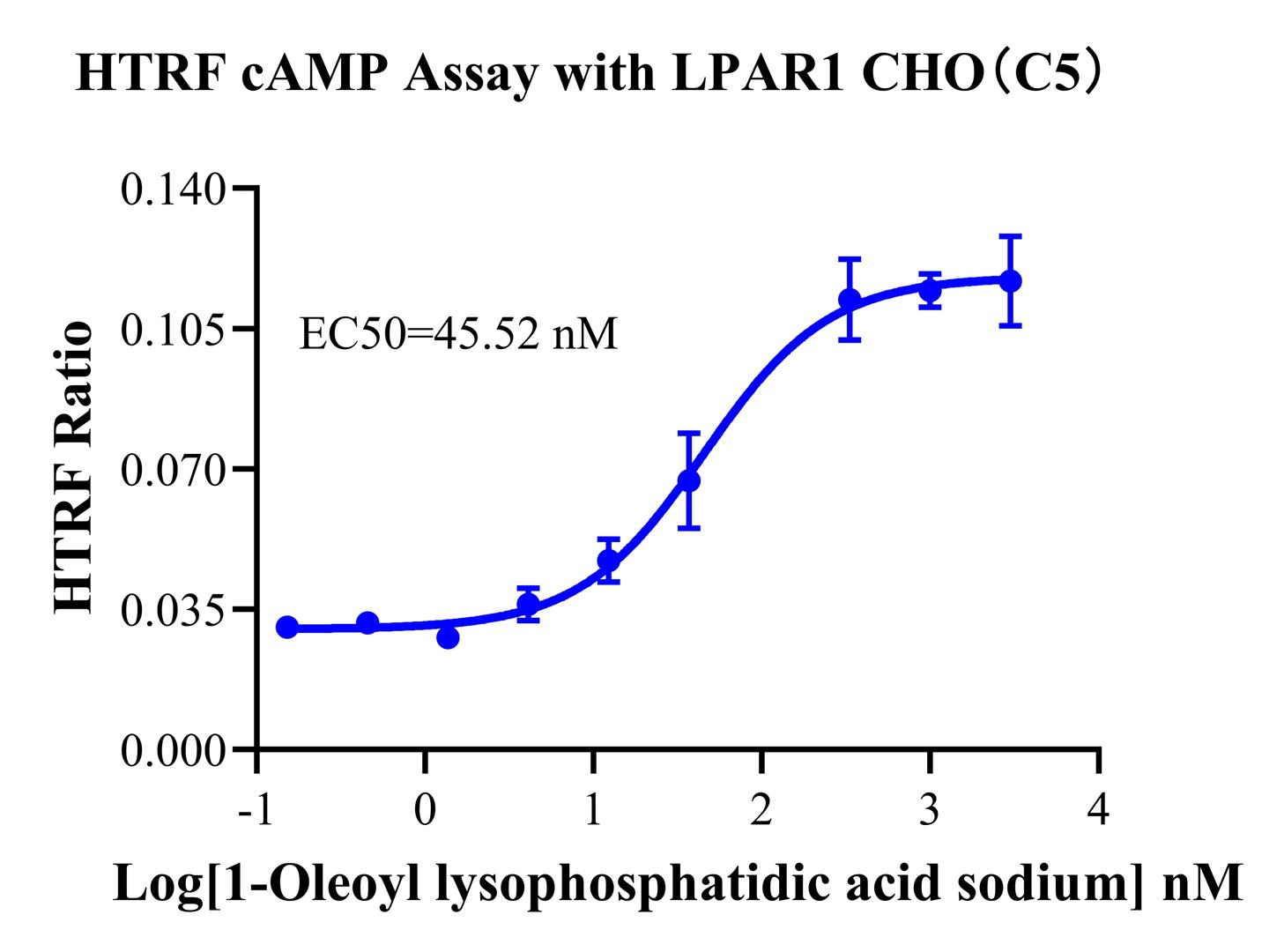
Figure 2. HTRF cAMP Assay with LPAR1 CHO(C5).
Cell Resuscitation
1)Rapidly thaw the frozen cells in a 37 °C water bath for approximately 60 seconds. Once thawed (which may take slightly less or more than 60 seconds), immediately transfer the cell suspension from the cryovial into a 15 mL centrifuge tube containing 10 mL of pre-warmed CHO-K1 Human LPAR1 Cell Line complete culture medium.
2)Centrifuge cells at 1000 rpm for 5 min to remove medium, then resuspend cells in 5 mL of pre-warmed complete medium.
3)Transfer the cell suspension into a T25 culture flask and incubate at 37 °C with 5% CO₂.
4)After approximately 24–36 hours, replace the medium or passage the cells to remove non-adherent dead cells.
Subculturing procedure
1)When the cell density reaches the appropriate confluency for passaging, wash the cells with PBS, then add 1 mL trypsin to detach the cells. When more than 80% of the cells detach upon gently tapping the culture flask, add complete culture medium to terminate digestion. Gently pipette to obtain a single-cell suspension, transfer to a 15 mL centrifuge tube, and centrifuge at 1000 rpm for 5 minutes.
2)Discard supernatant after centrifugation. Resuspend cells in fresh medium to a single-cell suspension and transfer to a new culture flask for continued growth.
Cell Freezing
After trypsinization and centrifugation of cells from each T75 flask or 10 cm culture dish, discard the supernatant. Add 2 mL of cryopreservation medium (90% FBS + 10% DMSO), gently resuspend thoroughly, and aliquot into two cryovials. Immediately place the cryovials into a controlled-rate freezing container (e.g., Nalgene 5100-0001), fill with isopropanol to the indicated level, and store at −80 °C. After 24 hours, transfer the cryovials to liquid nitrogen for long-term storage.