
CHO-K1 Human HLA-E aAPC Cell
Cat. No: RQP74242
Size: 1 vial of frozen cells (>1E6 per vial in 1 mL)
Unit Price: Contact For Pricing
Product Info
Description
Biological Information
Assay Data
Cell Culture
| Cat. No | RQP74242 |
| Product Name | CHO-K1 Human HLA-E aAPC Cell |
| Product Type | Reporter Cell |
| Culture Properties | Adherent |
| Stability | 32passages (in-house test, that not means the cell line will be instable beyond the passages we tested.) |
| Mycoplasma Status | Negative |
| Culture Medium | F12K +10%FBS+ 3 μg/ml puromycin + 600 μg/ml Hygromycin B |
| Freeze Medium | 90% FBS+10% DMSO |
| Storage Conditions | Liquid nitrogen immediately upon delivery |
| Application | Functional(Report Gene) Assay |
For research use only. Not intended for human or animal clinical trials, therapeutic or diagnostic use.
NKG2A is a member of the C-type lectin superfamily of single-pass transmembrane Type II membrane glycoproteins, comprising an intracellular domain, a transmembrane domain, and an extracellular lectin-like domain. The intracellular domain contains two ITIMs (immunoreceptor tyrosine-based inhibitory motifs) that participate in inhibitory signal transduction. NKG2A serves as a critical immune checkpoint for natural killer (NK) cells and CD8+ T cells. NKG2A is expressed as a heterodimer with CD94—which also belongs to the C-type lectin superfamily—and the ligand for this NKG2A/CD94 heterodimeric receptor is a non-classical MHC Class I molecule. Upon binding, the NKG2A/CD94 complex transmits inhibitory signals to NK cells and CD8+ T cells; blocking NKG2A effectively unleashes the cytotoxic functions of these lymphocytes.
Binding of the NKG2A/CD94 receptor to the peptide-presenting molecule HLA-E leads to the phosphorylation of the ITIMs within NKG2A. These phosphorylated ITIMs are responsible for recruiting and activating the intracellular phosphatases SHP-1 and SHP-2, thereby inhibiting the activating signals generated by receptors such as the T-cell receptor (TCR) and NKG2D. In contrast to classical HLA molecules—which are often lost in tumor cells—the expression of HLA-E is frequently upregulated in tumors. The interaction between NKG2A and HLA-E contributes to tumor immune evasion, and NKG2A-mediated mechanisms are currently being leveraged to develop potential anti-tumor therapeutic strategies. Furthermore, disrupting the interaction between NKG2A and its ligand has been demonstrated to effectively enhance anti-tumor immune responses. The expression of NKG2A correlates with disease severity in patients with COVID-19. Additionally, NKG2A is implicated in the pathological processes of various other immune-mediated conditions, including autoimmune diseases, inflammatory disorders, parasitic infections, and transplant rejection. These findings suggest that NKG2A represents a novel therapeutic target for a wide range of immune-mediated diseases. Furthermore, increasing evidence indicates that NKG2A also plays a significant role in other immune-related diseases, including viral infections, autoimmune diseases, inflammatory diseases, parasitic infections, and transplant rejection.
The CHO-K1 Human HLA-E aAPC Cell Model—effectively simulates the signal transduction process of NKG2A &HLA-E *in vivo*. The underlying principle is illustrated in the figure below.
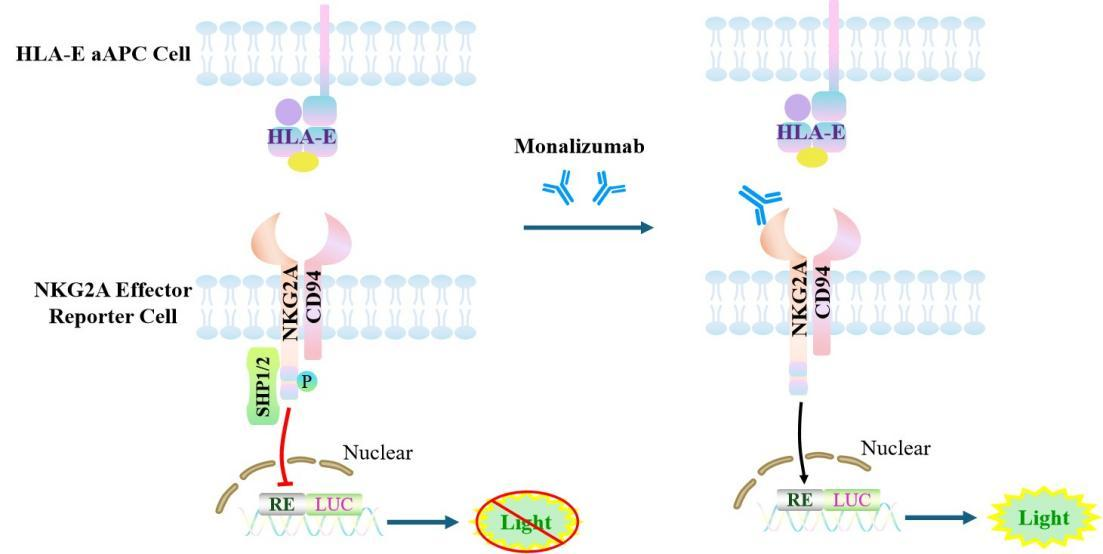
Figure 1. Schematic Diagram of the CHO-K1 Human HLA-E aAPC Cell (Adherent) Model
| Classification | Co-Inhibitory |
| Family | MHC class I family |
| Gene Name | HLA-E |
| Gene Aliases | N/A |
| Gene ID | 3133 |
| Accession Number | NM_005516.6 |
| UniProt Number | P13747 |
| Protein Name | HLA class I histocompatibility antigen, alpha chain E |
| Protein Aliases | MHC class I antigen E |
| Target Species | Human |
| Host cell | CHO-K1 |
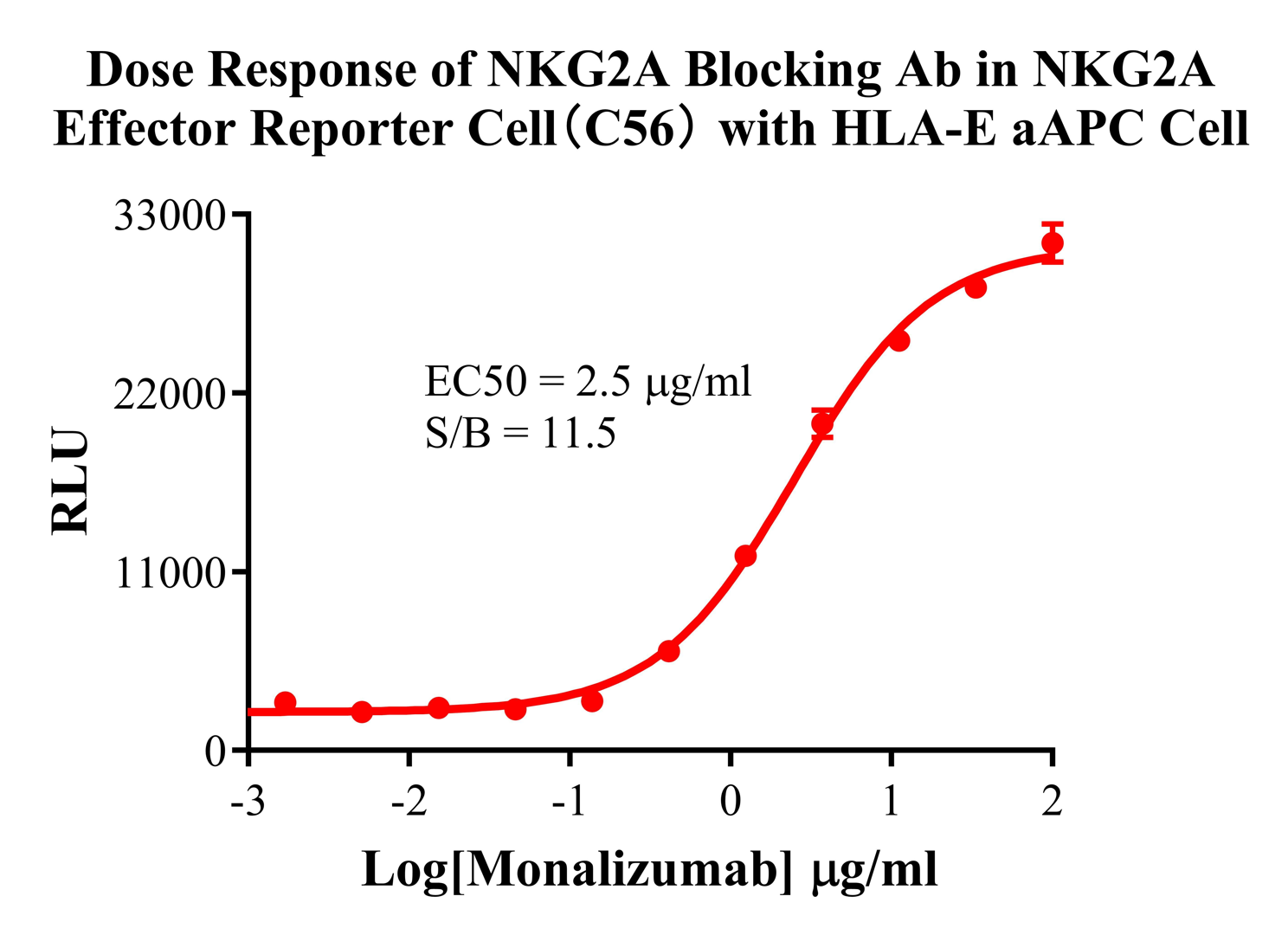
Figure 2. Dose Response of NKG2A Blocking Ab in NKG2A Effector Reporter Cell(C56) With HLA-E aAPC Cell.
| Classification | Co-Inhibitory |
| Family | MHC class I family |
| Gene Name | HLA-E |
| Gene Aliases | N/A |
| Gene ID | 3133 |
| Accession Number | NM_005516.6 |
| UniProt Number | P13747 |
| Protein Name | HLA class I histocompatibility antigen, alpha chain E |
| Protein Aliases | MHC class I antigen E |
| Target Species | Human |
| Host cell | CHO-K1 |
Related products
CHO-K1 Human NTSR2 Cell Line
CHO-K1 Human CCR4 Cell Line
HEK293 Human NK1R CRE-Luc Cell Line
Raji-Luc-GFP
Jurkat E6.1-Luc
We Are Pleased to Announce: Global Commercial Licensing Rights for Jurkat E6.1, CHO-K1, HEK293, THP-1 and RAJI Cell Lines Officially Secured.
ExploreWe Are Pleased to Announce: Global Commercial Licensing Rights for Jurkat E6.1, CHO-K1, HEK293, THP-1 and RAJI Cell Lines Officially Secured.
Explore