
Jurkat E6.1 Human PD-1(Low Expression)&IL2/IL15(hCD122/hCD132) Effector Reporter Cell
Cat. No: RQP74534
Size: 1 vial of frozen cells (>1E6 per vial in 1 mL)
Unit Price: Contact For Pricing
Product Info
Description
Biological Information
Assay Data
Cell Culture
| Cat. No | RQP74534 |
| Product Name | Jurkat E6.1 Human PD-1(Low Expression)&IL2/IL15(hCD122/hCD132) Effector Reporter Cell |
| Product Type | Reporter Cell |
| Culture Properties | suspension |
| Stability | 32passages (in-house test, that not means the cell line will be instable beyond the passages we tested.) |
| Mycoplasma Status | Negative |
| Culture Medium | RPMI-1640+10%FBS+800 μg/ml Hygromycin B+10 μg/ml Blasticidin+1mg/ml G418 |
| Freeze Medium | 90% FBS+10% DMSO |
| Storage Conditions | Liquid nitrogen immediately upon delivery |
| Application | Functional(Report Gene) Assay |
For research use only. Not intended for human or animal clinical trials, therapeutic or diagnostic use.
PD-1 (Programmed Death Receptor-1), an immune checkpoint receptor found on the surface of T cells, typically functions to suppress excessive T-cell activity; however, cancer cells exploit this mechanism to evade immune attack, leading to T-cell "exhaustion." Conversely, IL-2—a key cytokine for T-cell proliferation and survival—promotes the expansion of effector T cells (Teff) and natural killer (NK) cells; yet, conventional IL-2 therapies simultaneously activate regulatory T cells (Treg), which may dampen the overall immune response.
By integrating PD-1 checkpoint blockade with the T-cell-enhancing effects of IL-2, novel therapies can be developed to "reawaken" exhausted T cells within the tumor microenvironment. This approach aims to achieve a more potent and precise anti-cancer response, potentially with lower toxicity compared to the administration of either agent alone. These molecular constructs facilitate the direct delivery of IL-2 to PD-1-expressing tumor-infiltrating lymphocytes (TILs), thereby augmenting their capacity to eliminate cancer cells.
The Jurkat E6.1 Human PD-1(Low Expression)&IL2/IL15(hCD122/hCD132) Effector Reporter Cell model serves as a highly effective system for accurately simulating the signal transduction processes of the PD-1 and IL-2 receptor heterodimers *in vivo*.The underlying principle is illustrated in the figure below.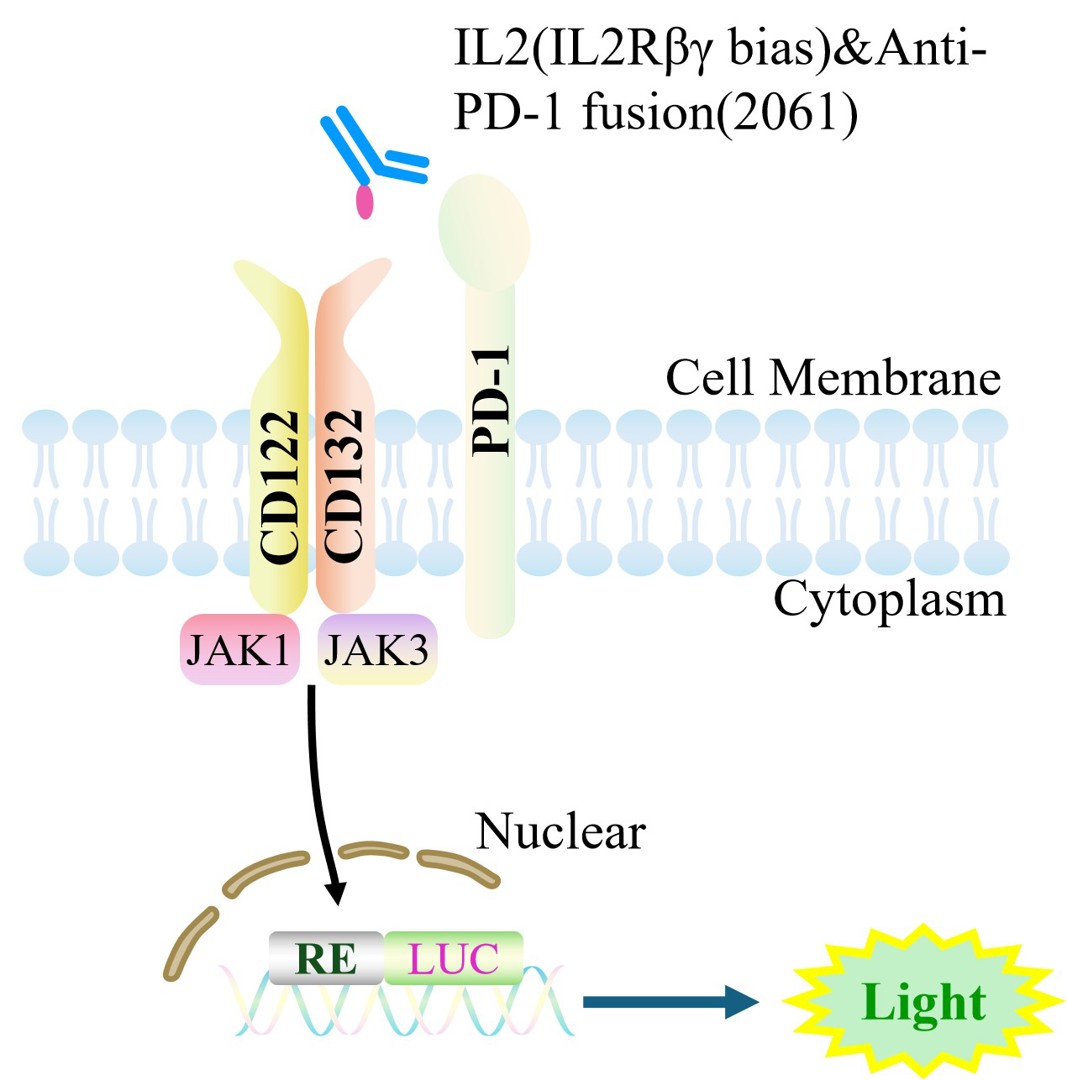
Figure 1. Schematic Diagram of the Jurkat E6.1 Human PD-1(Low Expression)&IL2/IL15(hCD122/hCD132) Effector Reporter Cell Model
| Classification | Combination |
| Family | Immunoglobulin Superfamily(IgSF) |
| Gene Name | PDCD1 |
| Gene Aliases | CD279;PD1;hSLE1;PD-1 |
| Gene ID | 5133 |
| Accession Number | NM_005018.3 |
| UniProt Number | Q15116 |
| Protein Name | Protein PD-1;hPD-1 |
| Protein Aliases | N/A |
| Family-2 | Type I Cytokine Receptor Family |
| Gene Name-2 | IL2RA |
| Gene Aliases-2 | IL2R;IDDM10;CD25 |
| Gene ID-2 | 3559 |
| Accession Number-2 | NM_000417.3 |
| UniProt Number-2 | P01589 |
| Protein Name-2 | IL-2 receptor subunit alpha; IL-2-RA; IL-2R subunit alpha; IL2-RA |
| Protein Aliases-2 | TAC antigen |
| Family-3 | Type I Cytokine Receptor Family |
| Gene Name-3 | IL2RB |
| Gene Aliases-3 | IL15RB;CD122 |
| Gene ID-3 | 3560 |
| Accession Number-3 | NM_000878.5 |
| UniProt Number-3 | P14784 |
| Protein Name-3 | IL-2 receptor subunit beta; IL-2R subunit beta; IL-2RB |
| Protein Aliases-3 | High affinity IL-2 receptor subunit beta; Interleukin-15 receptor subunit beta |
| Family-4 | Type I Cytokine Receptor Family |
| Gene Name-4 | IL2RG |
| Gene Aliases-4 | SCIDX1;IMD4;CIDX;CD132 |
| Gene ID-4 | 3561 |
| Accession Number-4 | NM_000206.3 |
| UniProt Number-4 | P31785 |
| Protein Name-4 | Cytokine receptor common subunit gamma |
| Protein Aliases-4 | Interleukin-2 receptor subunit gamma (IL-2 receptor subunit gamma; IL-2R subunit gamma; IL-2RG);gammaC;p64 |
| Target Species | Human |
| Host cell | Jurkat E6.1 |
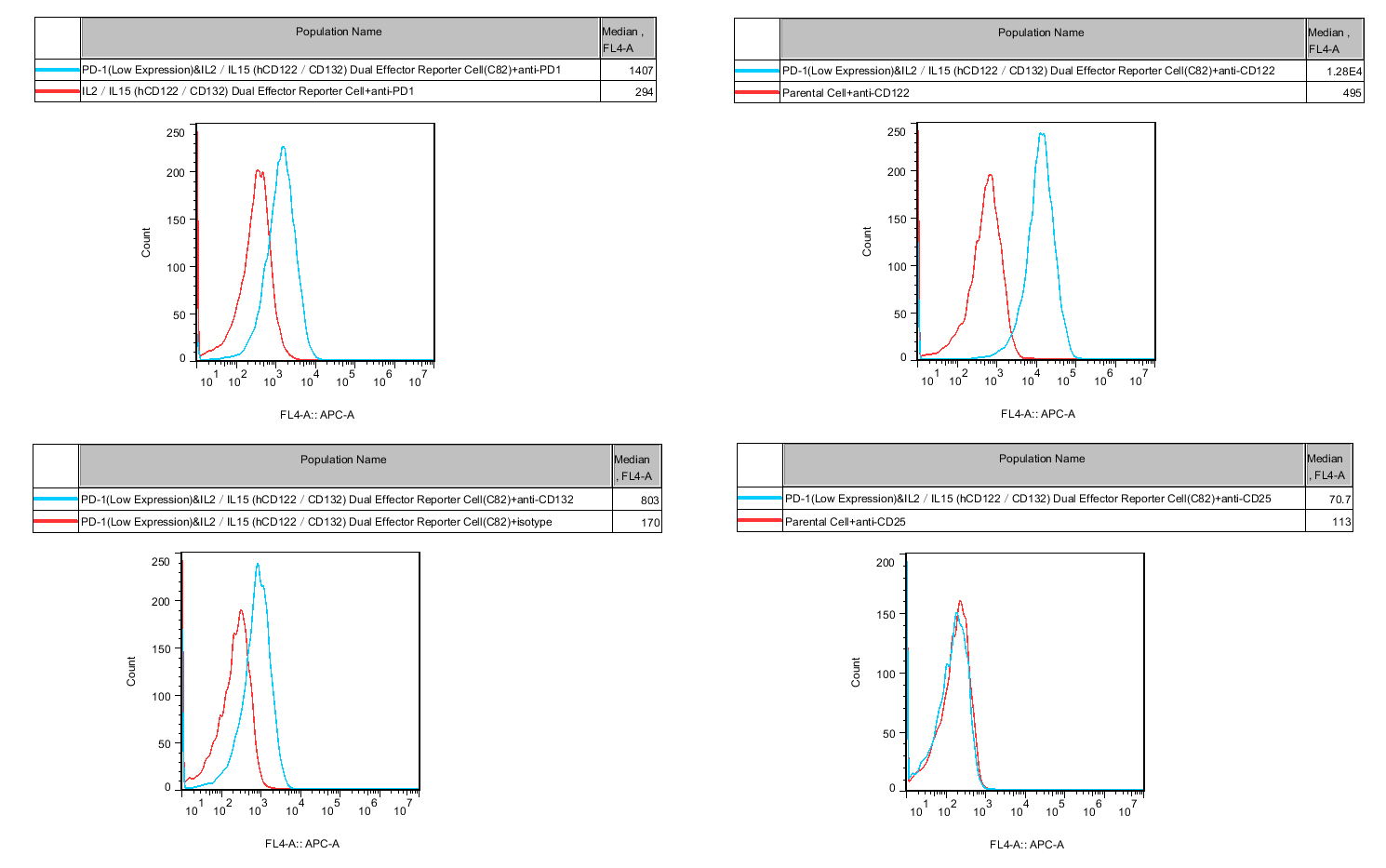
Figure 2. Recombinant PD-1(Low Expression)&IL2/IL15(hCD122/hCD132) Effector Reporter Cell stably expressing PD-1、CD25、CD122&CD132.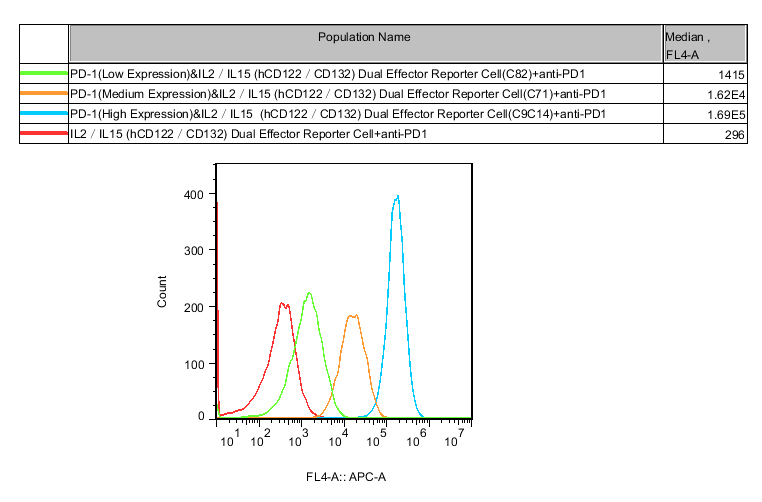
Figure 3. Recombinant PD-1(High Expression)&IL2/IL15(hCD122/hCD132) Effector Reporter Cell and PD-1(Medium
Expression)&IL2/IL15(hCD122/hCD132) Effector Reporter Cell and PD-1(Low Expression)&IL2/IL15(hCD122/hCD132) Effector Reporter Cell stably expressing PD-1.
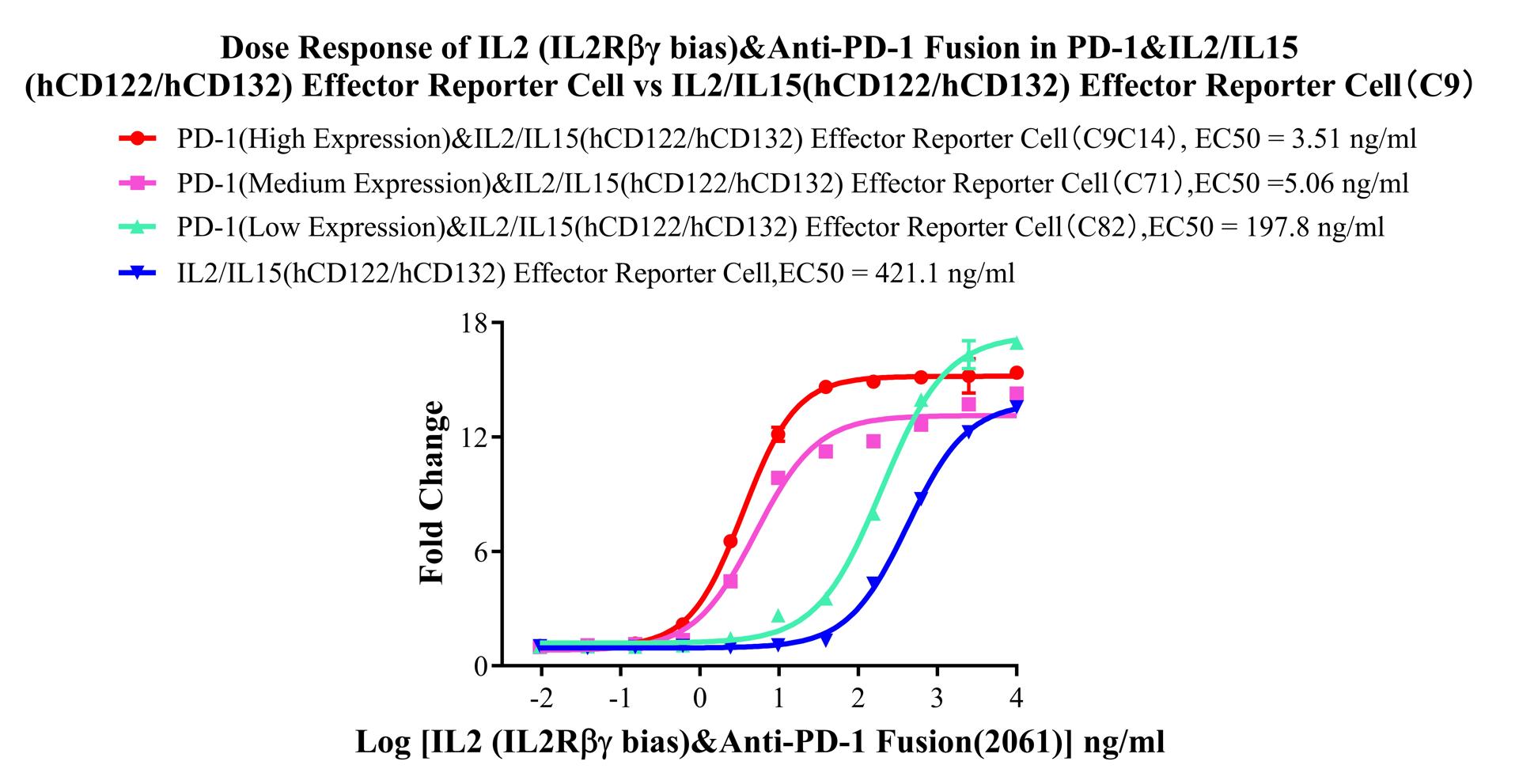
Figure 4. Dose Response of IL2 (lL2Rβγ bias)&Anti-PD-1 Fusion in PD-1&IL2/IL15(hCD122/hCD132) Effector Reporter Cell vs IL2/IL15(hCD122/hCD132) Effector Reporter Cell(C9).
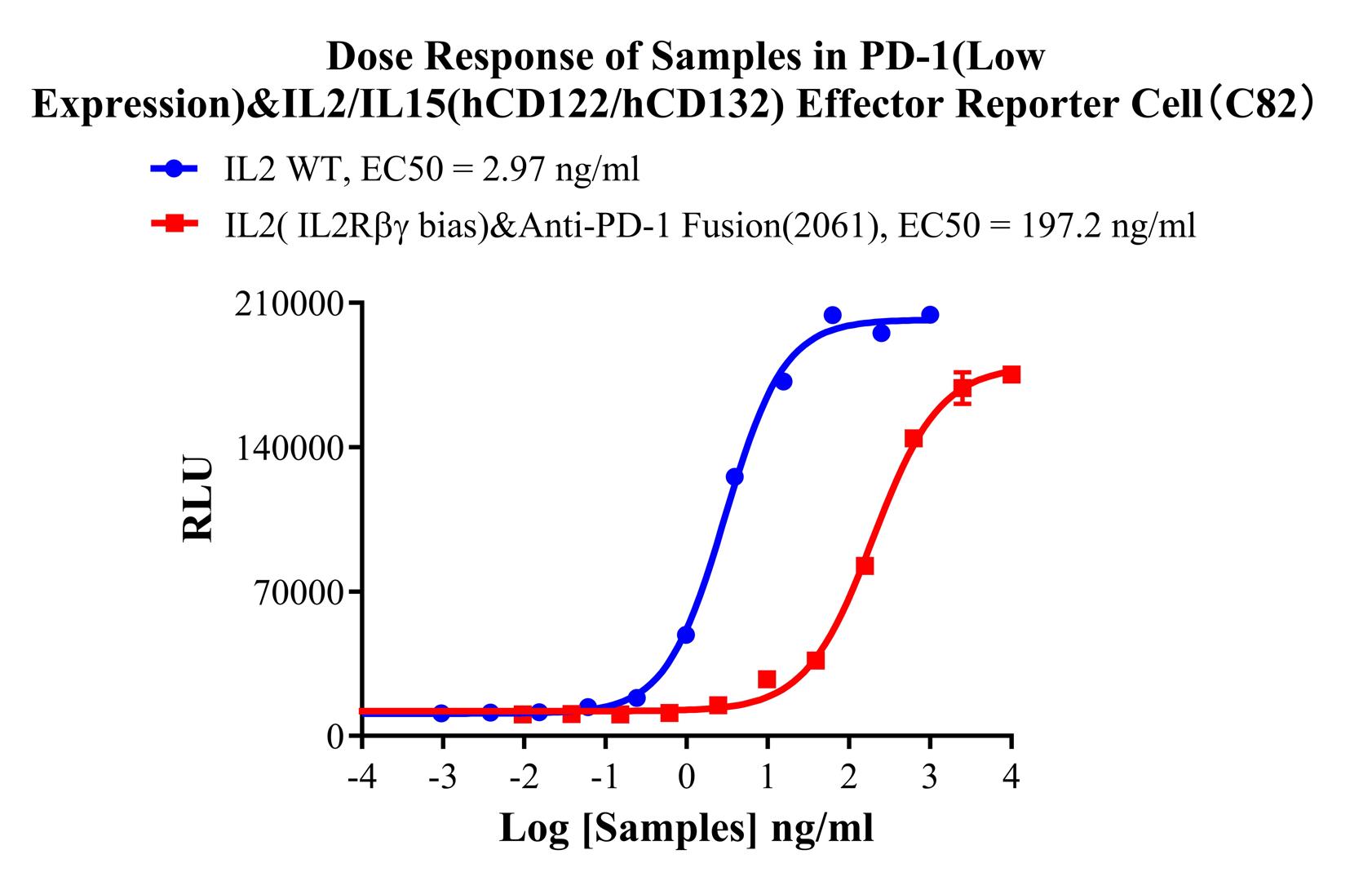
Figure 5. Dose Response of Samples in PD-1(Low Expression)&IL2/IL15(hCD122/hCD132) Effector Reporter Cell (C82).
Cell Passage Procedures
1.This cell line grows in suspension.
2.Upon receipt, cells should be thawed immediately or stored in liquid nitrogen until use.
3.Before thawing, pre-warm the water bath and culture medium to 37 °C, and prepare a small amount of dry ice.
4.Remove the cryovial from storage and transport it to the cell culture laboratory on dry ice.
5.Rapidly thaw the cells in a 37 °C water bath. Once the cells are completely thawed, spray the cryovial with 70% ethanol for disinfection and transfer it to a biosafety cabinet.
6.Add 10 mL of pre-warmed culture medium into a 15 mL centrifuge tube. Transfer the contents of the cryovial into the tube and centrifuge at 1000 rpm for 5 minutes.
7.Carefully discard the supernatant. Resuspend the cell pellet in 5 mL of pre-warmed culture medium by gentle pipetting. Immediately perform cell counting and adjust the cell density to 3–6 × 10⁵ cells/mL based on the counting results, then transfer the cells into a culture flask.
8.Count the cells every 1–2 days. When the cell density exceeds 1 × 10⁶ cells/mL, passage the cells promptly or add fresh culture medium. Maintain the cell density between 2 × 10⁵ and 1 × 10⁶ cells/mL.
Suspension Cell Cryopreservation Procedure:
1.Collect 8 × 10⁶ cells, centrifuge, and discard the supernatant.
2.Add 1 mL of cell freezing medium (90% FBS + 10% DMSO) and gently pipette to mix thoroughly. Transfer the suspension into a cryovial.
3.Immediately place the cryovial into a controlled-rate freezing container (Nalgene 5100-0001), fill with isopropanol up to the indicated level, and store at −80 °C.
4.After 24 hours, transfer the cryovial to liquid nitrogen for long-term storage.
Related products
CHO-K1 Human NTSR2 Cell Line
CHO-K1 Human CCR4 Cell Line
HEK293 Human NK1R CRE-Luc Cell Line
Raji-Luc-GFP
Jurkat E6.1-Luc
We Are Pleased to Announce: Global Commercial Licensing Rights for Jurkat E6.1, CHO-K1, HEK293, THP-1 and RAJI Cell Lines Officially Secured.
ExploreWe Are Pleased to Announce: Global Commercial Licensing Rights for Jurkat E6.1, CHO-K1, HEK293, THP-1 and RAJI Cell Lines Officially Secured.
Explore