
HEK293 Human FXR Reporter Cell
Cat. No: RQPM0006
Size: 1 vial of frozen cells (>1E6 per vial in 1 mL)
Unit Price: Contact For Pricing
Product Info
Description
Biological Information
Assay Data
Cell Culture
| Cat. No | RQPM0006 |
| Product Name | HEK293 Human FXR Reporter Cell |
| Product Type | Reporter cell |
| Culture Properties | Adherent |
| Stability | 32passages (in-house test, that not means the cell line will be instable beyond the passages we tested.) |
| Mycoplasma Status | Negative |
| Culture Medium | DMEM+10%FBS+2μg/ml puromycin+200μg/ml Hygromycin B |
| Freeze Medium | 90% FBS+10% DMSO |
| Storage Conditions | Liquid nitrogen immediately upon delivery |
For research use only. Not intended for human or animal clinical trials, therapeutic or diagnostic use.
Bile acids act as physiological detergents, driving bile flow and facilitating the intestinal absorption and transport of lipids, nutrients, and vitamins. Furthermore, bile acids serve as signaling molecules and inflammatory mediators, capable of rapidly activating nuclear receptors and cellular signaling pathways that regulate lipid, glucose, and energy metabolism.
Nuclear receptors are transcription factors that regulate the expression of specific target genes. The bile acid receptor FXR (NR1H4) is a member of the nuclear receptor superfamily; it is highly expressed in hepatocytes and is generally classified as a member of the ligand-activated nuclear receptor (NR) superfamily, which governs the metabolism of bile acids, lipids, glucose, and amino acids. FXR is increasingly recognized as a potential therapeutic target for treating a wide range of diseases, including obesity, cholestasis, and septic shock. FXR has also been shown to influence the progression of viral hepatitis, alcoholic liver disease, non-alcoholic steatohepatitis (NASH), cholestasis, ischemia/reperfusion injury, and even hepatocellular carcinoma—conditions all characterized by heightened hepatocyte apoptosis. Moreover, FXR can function as a cytoprotective agent for hepatocytes.
The hydrophobic chenodeoxycholic acid (CDCA) is the most potent activator of FXR, whereas the hydrophilic ursodeoxycholic acid (UDCA) and cholic acid exhibit no activity. Additionally, the most widely utilized FXR ligand is the non-steroidal isoxazole analog GW4064, which has been extensively evaluated in both in vivo and in vitro studies using rodent models.
The FXR Reporter Cell line consists of recombinant cells that stably express human FXR, wherein a reporter gene is placed under the transcriptional control of regulatory elements. CDCA, GW4064, and WAY-362450 serve as activators of FXR; the underlying mechanism is illustrated in the figure below.
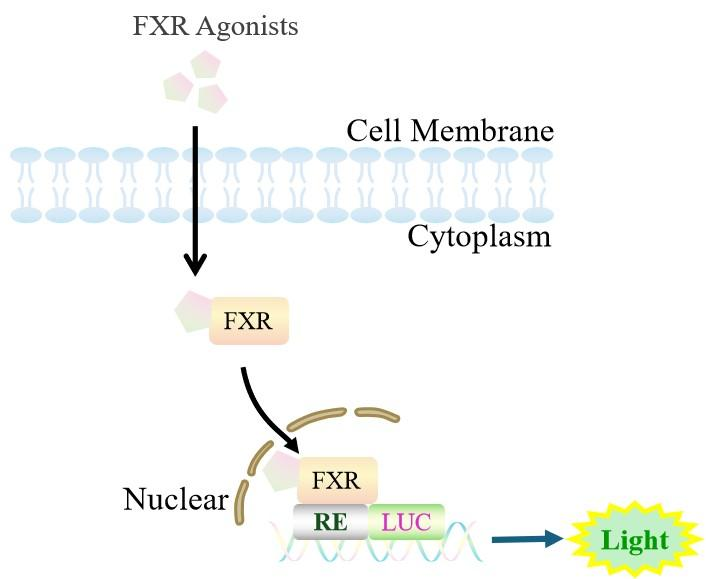
Figure 1. Schematic Diagram of the FXR Reporter Cell Principle
| Classification | Nuclear Receptor |
| Family | Nuclear receptor subfamily 1 group H |
| Gene Name | NR1H4 |
| Gene Aliases | FXR;RIP14;HRR1;HRR-1 |
| Gene ID | 9971 |
| Accession Number | NM_001206979.2 |
| UniProt Number | Q96RI1 |
| Protein Name | Bile acid receptor |
| Protein Aliases | Farnesoid X-activated receptor;Farnesol receptor HRR-1;Nuclear receptor subfamily 1 group H member 4;Retinoid X receptor-interacting protein 14 (RXR-interacting protein 14); |
| Target Species | Human |
| Host cell | HEK293 |
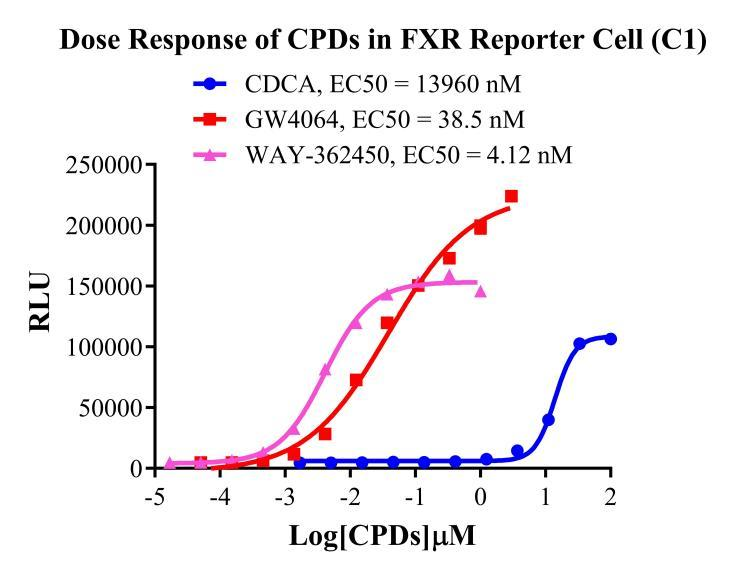
Figure 1. Dose Response of CPDs in FXR Reporter Cell (C1).
Cell Resuscitation
1)Rapidly thaw the frozen cells in a 37 °C water bath for approximately 60 seconds. Once thawed (which may take slightly less or more than 60 seconds), immediately transfer the cell suspension from the cryovial into a 15 mL centrifuge tube containing 10 mL of pre-warmed HEK293 Human FXR Reporter Cell complete culture medium.
2)Centrifuge cells at 1000 rpm for 5 min to remove medium, then resuspend cells in 5 mL of pre-warmed complete medium.
3)Transfer the cell suspension into a T25 culture flask and incubate at 37 °C with 5% CO₂.
4)After approximately 24–36 hours, replace the medium or passage the cells to remove non-adherent dead cells.
Subculturing procedure
1)When the cell density reaches the appropriate confluency for passaging, wash the cells with PBS, then add 1 mL trypsin to detach the cells. When more than 80% of the cells detach upon gently tapping the culture flask, add complete culture medium to terminate digestion. Gently pipette to obtain a single-cell suspension, transfer to a 15 mL centrifuge tube, and centrifuge at 1000 rpm for 5 minutes.
2)Discard supernatant after centrifugation. Resuspend cells in fresh medium to a single-cell suspension and transfer to a new culture flask for continued growth.
Cell Freezing
After trypsinization and centrifugation of cells from each T75 flask or 10 cm culture dish, discard the supernatant. Add 2 mL of cryopreservation medium (90% FBS + 10% DMSO), gently resuspend thoroughly, and aliquot into two cryovials. Immediately place the cryovials into a controlled-rate freezing container (e.g., Nalgene 5100-0001), fill with isopropanol to the indicated level, and store at −80 °C. After 24 hours, transfer the cryovials to liquid nitrogen for long-term storage.