
CHO-K1 Human RXFP1 Cell Line
Cat. No: RQP71564
Size: 1 vial of frozen cells (>1E6 per vial in 1 mL)
Unit Price: Contact For Pricing
Product Info
Description
Biological Information
Assay Data
Cell Culture
| Cat. No | RQP71564 |
| Product Name | CHO-K1 Human RXFP1 Cell Line |
| Engineering method | plasmid transfection |
| Culture Properties | Adherent |
| Stability | 32passages (in-house test, that not means the cell line will be instable beyond the passages we tested.) |
| Mycoplasma Status | Negative |
| Culture Medium | F12K+10%FBS +5 μg/ml Puromycin |
| Freeze Medium | 90% FBS+10% DMSO |
| Storage Conditions | Liquid nitrogen immediately upon delivery |
| Transducer | Gs |
| Application | Functional assay for RXFP1 |
For research use only. Not intended for human or animal clinical trials, therapeutic or diagnostic use.
Relaxin is a polypeptide hormone belonging to the insulin superfamily. Primarily secreted by the corpus luteum of pregnancy, it exerts pleiotropic functions—including reproductive system relaxation (e.g., softening of the pubic ligaments), cardiovascular protection (vasodilation and anti-myocardial hypertrophy effects), and anti-organ fibrosis (inhibition of collagen deposition in the liver, kidneys, and lungs)—by binding to its specific receptor, RXFP1 (Relaxin Receptor 1; a Class A GPCR), thereby activating the cAMP/PKA and PI3K/AKT signaling pathways.
Relaxin-2 is the predominant active isoform in the human body; secreted by the corpus luteum of pregnancy and cardiovascular tissues, it specifically binds to the G protein-coupled receptor RXFP1 to activate the cAMP/PKA, PI3K/AKT, and ERK1/2 signaling pathways, thereby driving collagen remodeling in the reproductive tract, vasodilation, and anti-fibrotic processes across multiple organs. Under pathological conditions, defects in Relaxin-2/RXFP1 signaling are closely associated with acute heart failure (characterized by increased myocardial stiffness), hepatic and pulmonary fibrosis (characterized by excessive extracellular matrix accumulation), and preeclampsia (characterized by impaired placental perfusion).
The CHO-K1 Human RXFP1 Cell Line model effectively simulates the in vivo RXFP1 signal transduction process, the principle is illustrated in the figure below.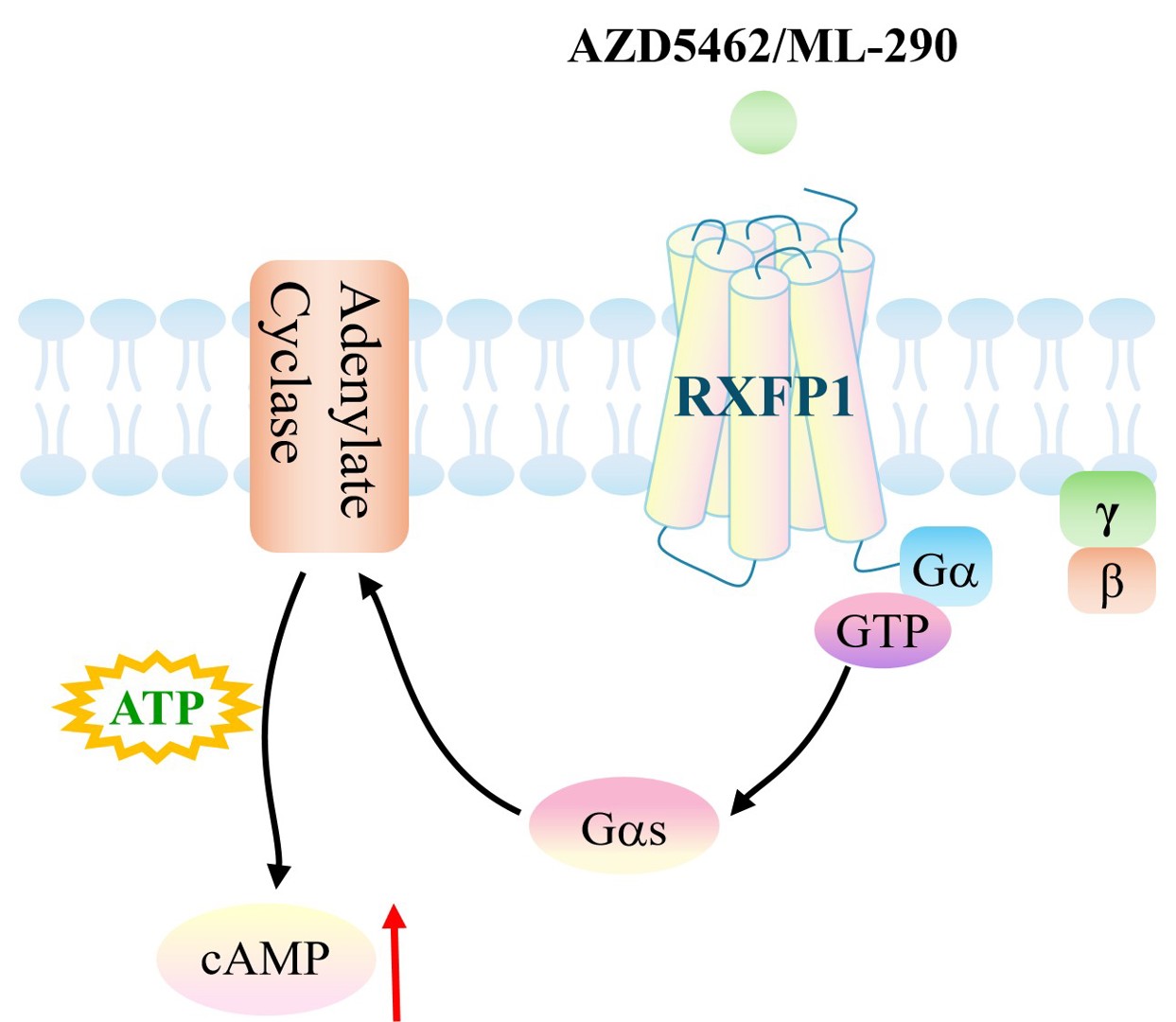
Figure 1. Schematic diagram of the CHO-K1 Human RXFP1 Cell Line model
| Target Class | GPCR |
| Family | Relaxin family peptide receptors |
| Sub Family | Class A(Rhodopsin) |
| Gene Name | RXFP1 |
| Gene Aliases | LGR7;RXFPR1 |
| Gene ID | 59350 |
| Accession Number | NM_021634 |
| UniProt Number | Q9HBX9 |
| Protein Name | Relaxin receptor 1 |
| Protein Aliases | Leucine-rich repeat-containing G-protein coupled receptor 7; Relaxin family peptide receptor 1 |
| Target Species | Human |
| Host cell | CHO-K1 |
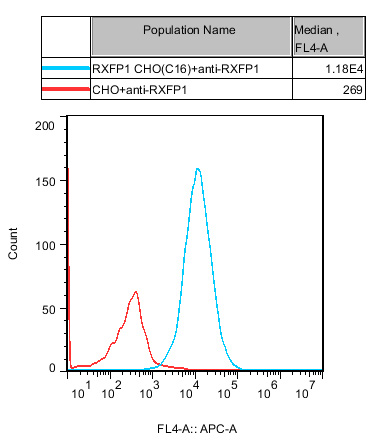
Figure 2. Recombinant RXFP1 CHO-K1 stably expressing RXFP1.
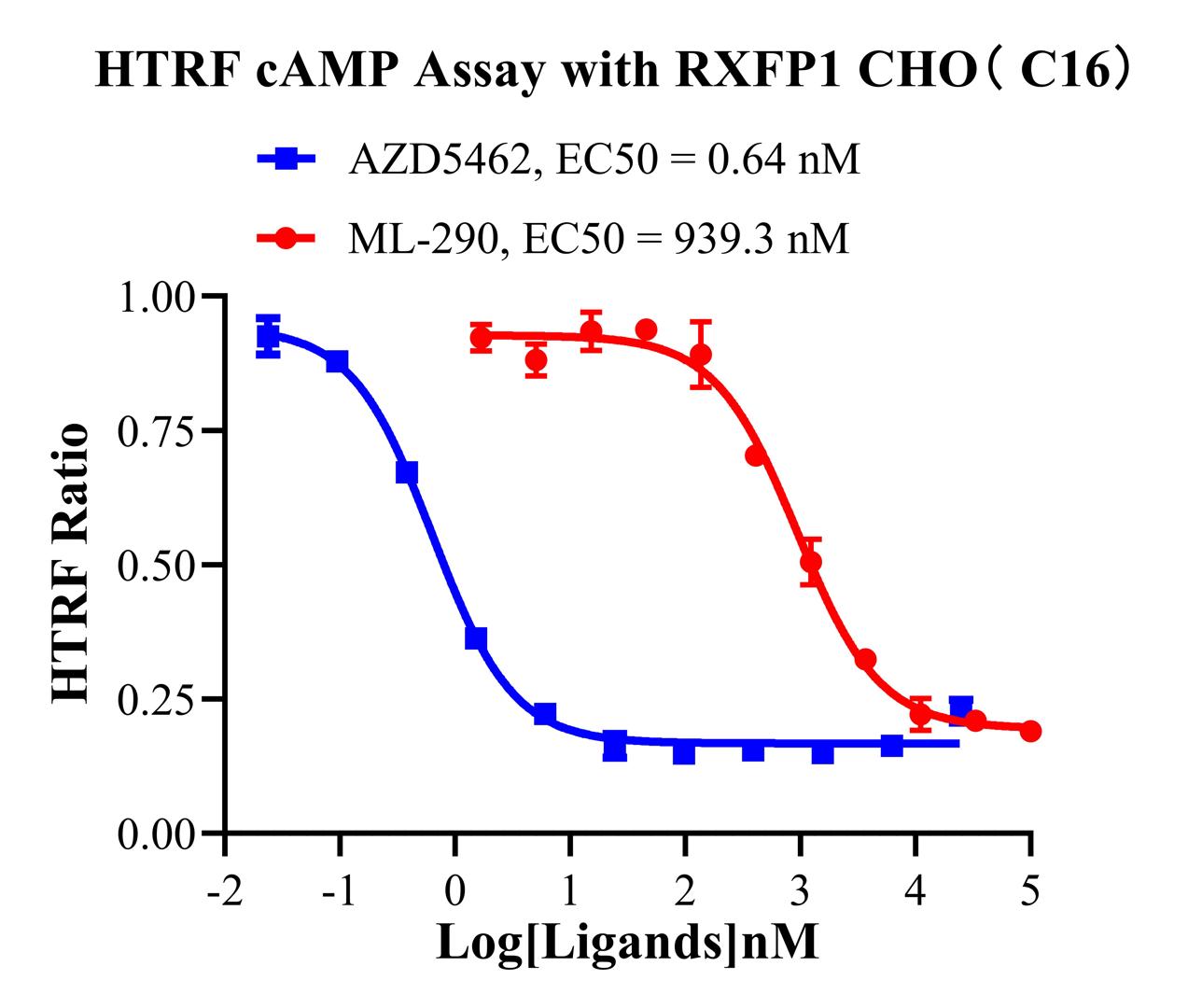
Figure 3. HTRF CAMP Assay with RXFP1 CHO-K1( C16).
Cell Resuscitation
1)Rapidly thaw the frozen cells in a 37 °C water bath for approximately 60 seconds. Once thawed (which may take slightly less or more than 60 seconds), immediately transfer the cell suspension from the cryovial into a 15 mL centrifuge tube containing 10 mL of pre-warmed CHO-K1 Human RXFP1 Cell Line complete culture medium.
2)Centrifuge cells at 1000 rpm for 5 min to remove medium, then resuspend cells in 5 mL of pre-warmed complete medium.
3)Transfer the cell suspension into a T25 culture flask and incubate at 37 °C with 5% CO₂.
4)After approximately 24–36 hours, replace the medium or passage the cells to remove non-adherent dead cells.
Subculturing procedure
1)When the cell density reaches the appropriate confluency for passaging, wash the cells with PBS, then add 1 mL trypsin to detach the cells. When more than 80% of the cells detach upon gently tapping the culture flask, add complete culture medium to terminate digestion. Gently pipette to obtain a single-cell suspension, transfer to a 15 mL centrifuge tube, and centrifuge at 1000 rpm for 5 minutes.
2)Discard supernatant after centrifugation. Resuspend cells in fresh medium to a single-cell suspension and transfer to a new culture flask for continued growth.
Cell Freezing
After trypsinization and centrifugation of cells from each T75 flask or 10 cm culture dish, discard the supernatant. Add 2 mL of cryopreservation medium (90% FBS + 10% DMSO), gently resuspend thoroughly, and aliquot into two cryovials. Immediately place the cryovials into a controlled-rate freezing container (e.g., Nalgene 5100-0001), fill with isopropanol to the indicated level, and store at −80 °C. After 24 hours, transfer the cryovials to liquid nitrogen for long-term storage.
Related products
CHO-K1 Human NTSR2 Cell Line
CHO-K1 Human CCR4 Cell Line
HEK293 Human NK1R CRE-Luc Cell Line
Raji-Luc-GFP
Jurkat E6.1-Luc
THP-1-GFP
Raji-GFP
Raji-Luc
Jurkat E6.1-GFP
HEK293 Human GAL4-Luc Cell
We Are Pleased to Announce: Global Commercial Licensing Rights for Jurkat E6.1, CHO-K1, HEK293, THP-1 and RAJI Cell Lines Officially Secured.
Explore