
CHO-K1 Human LDLR Total Internalization Cell
Cat. No: RQP75099
Size: 1 vial of frozen cells (>1E6 per vial in 1 mL)
Unit Price: Contact For Pricing
Product Info
Description
Biological Information
Assay Data
Cell Culture
| Cat. No | RQP75099 |
| Product Name | CHO-K1 Human LDLR Total Internalization Cell |
| Product Type | Expression Cell line |
| Culture Properties | Adherent |
| Stability | 32passages (in-house test, that not means the cell line will be instable beyond the passages we tested.) |
| Mycoplasma Status | Negative |
| Culture Medium | F12K+ 10% FBS+ 5 μg/ml Puromycin |
| Freeze Medium | 90% FBS+10% DMSO |
| Storage Conditions | Liquid nitrogen immediately upon delivery |
For research use only. Not intended for human or animal clinical trials, therapeutic or diagnostic use.
The Low-Density Lipoprotein Receptor (LDLR) is a transmembrane glycoprotein primarily located on the surface of hepatocytes; its core function is to clear low-density lipoproteins (LDL) from the bloodstream and maintain cholesterol homeostasis. Its structure is highly modular: the ligand-binding domain recognizes Apolipoprotein B-100 on LDL, the EGF homology domain responds to pH changes, and the cytoplasmic tail domain mediates endocytic signaling. Upon binding to LDL, the LDLR is internalized into the cell via endocytosis through clathrin-coated pits; within the acidic environment of the endosome, the LDLR releases the LDL, and the empty receptor is recycled back to the cell membrane for reuse, while the LDL is degraded by lysosomes to be utilized by the cell. This highly efficient cycle enables the LDLR to repeatedly clear cholesterol, establishing it as a pivotal molecule in the regulation of blood lipids.
PCSK9 (Proprotein Convertase Subtilisin/Kexin Type 9) is primarily synthesized by the liver and secreted into the bloodstream, serving as a key negative regulator of cholesterol metabolism. Following autocatalytic cleavage of its precursor, the pro-domain binds tightly to the catalytic domain to form the mature protein. PCSK9 does not degrade other substrates; instead, it functions as a molecular chaperone, specifically binding to LDLRs on the surface of hepatocytes—specifically at the LDLR's EGF-A domain.
PCSK9 binds to LDLRs either on the cell surface or during the process of endocytosis; the binding affinity is significantly enhanced within the acidic environment of the endosome, resulting in the formation of a tight complex. Under normal conditions, after releasing LDL within the acidic endosome, the LDLR is recognized by recycling proteins (such as SNX17) and guided back to the cell membrane; however, the binding of PCSK9 locks the LDLR into a specific conformation, preventing it from interacting with recycling proteins and thereby blocking the recycling pathway. The LDLR-PCSK9 complex subsequently matures along with the endosome, eventually entering the lysosome where both components are co-degraded; this process leads to a reduction in the number of LDLRs on the hepatocyte surface and a consequent decline in the clearance of LDL from the bloodstream. PCSK9 inhibitors function by blocking the interaction between PCSK9 and LDLR, thereby protecting the receptor and significantly lowering cholesterol levels; this specific mechanism establishes PCSK9 as a prime therapeutic target for lipid-lowering interventions.
The LDLR Total Internalization CHO drug target model effectively simulates the in vivo signal transduction process of LDLR; the underlying principle is illustrated in the figure below.
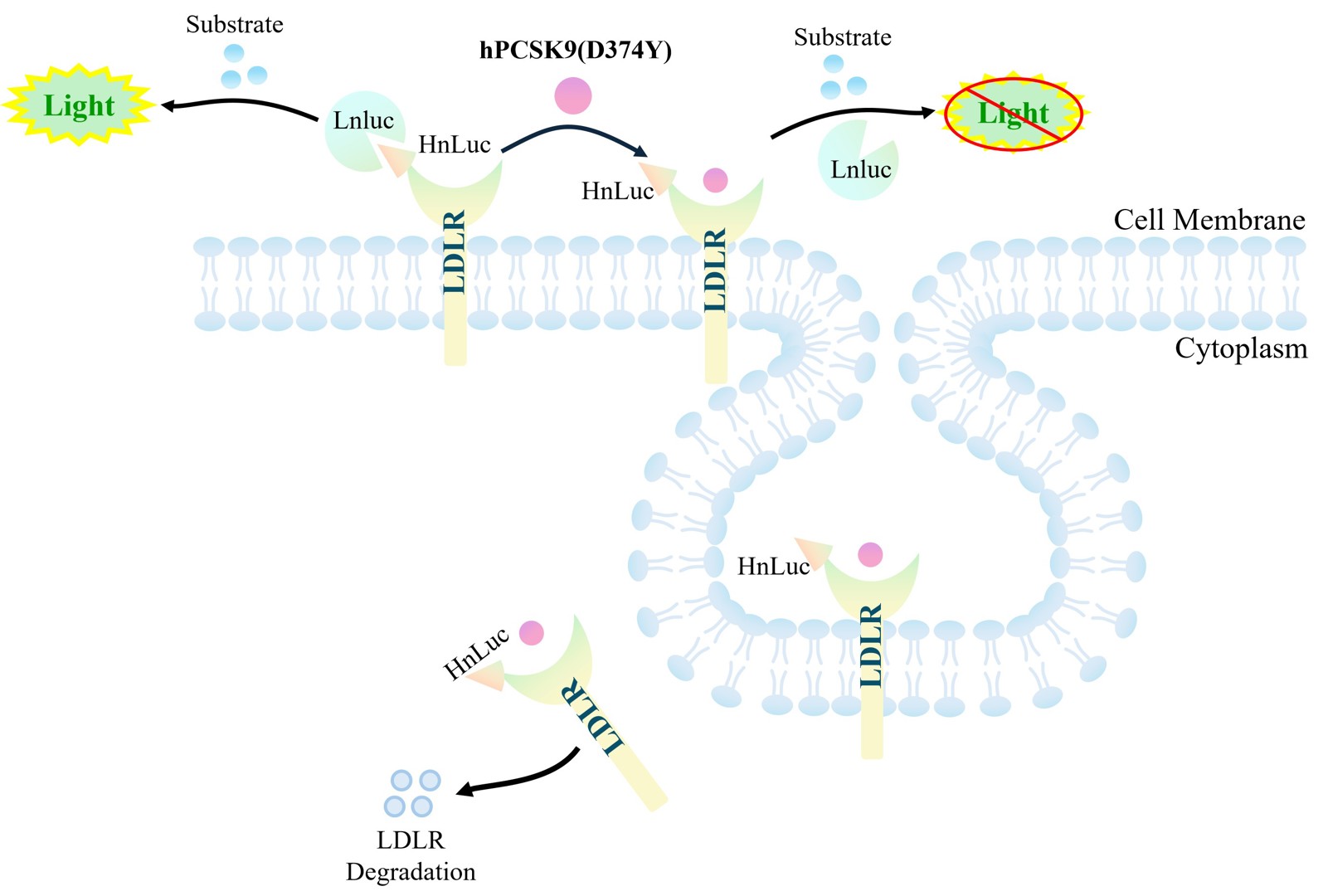
Figure 1. Schematic Diagram of the LDLR Total Internalization CHO Cell Model.
| Classification | Other cell models |
| Family | Low-Density Lipoprotein Receptor family |
| Gene Name | LDLR |
| Gene Aliases | LDLCQ2 |
| Gene ID | 3949 |
| Accession Number | NM_000527.5 |
| UniProt Number | P01130 |
| Protein Name | Low-density lipoprotein receptor |
| Protein Aliases | N/A |
| Target Species | Human |
| Host cell | CHO-K1 |
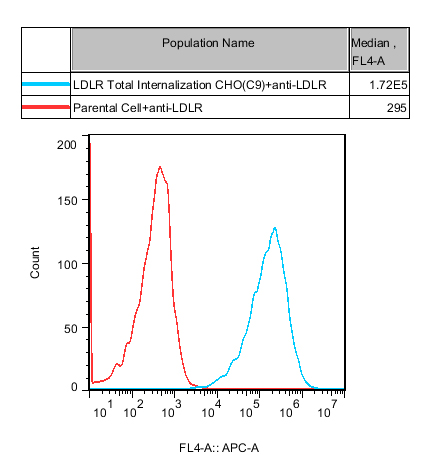
Figure 2. LDLR internalization in CHO cells stably expressing LDLR.
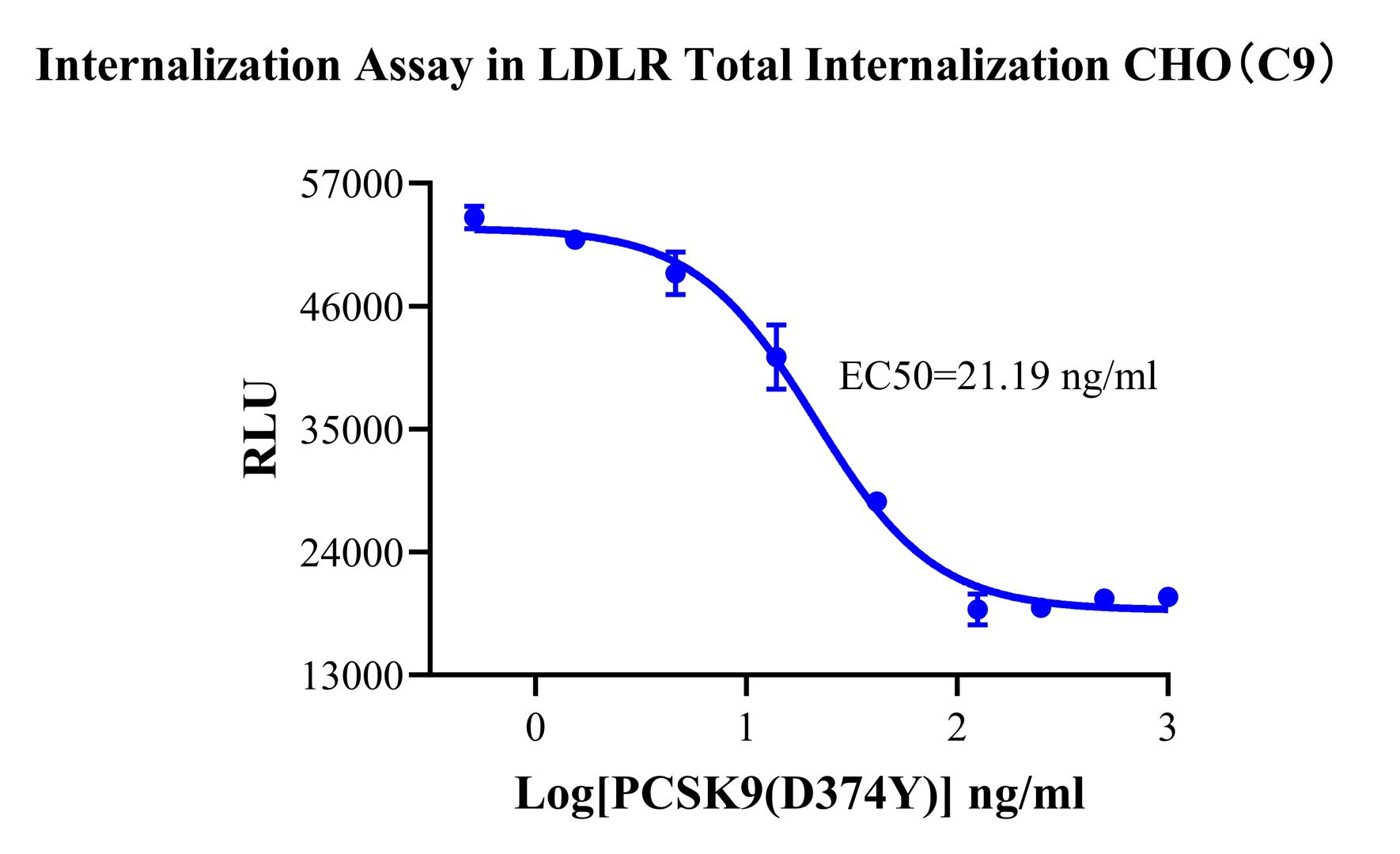
Figure 3. Internalization Assay in LDLR Total Internalization CHO (C9).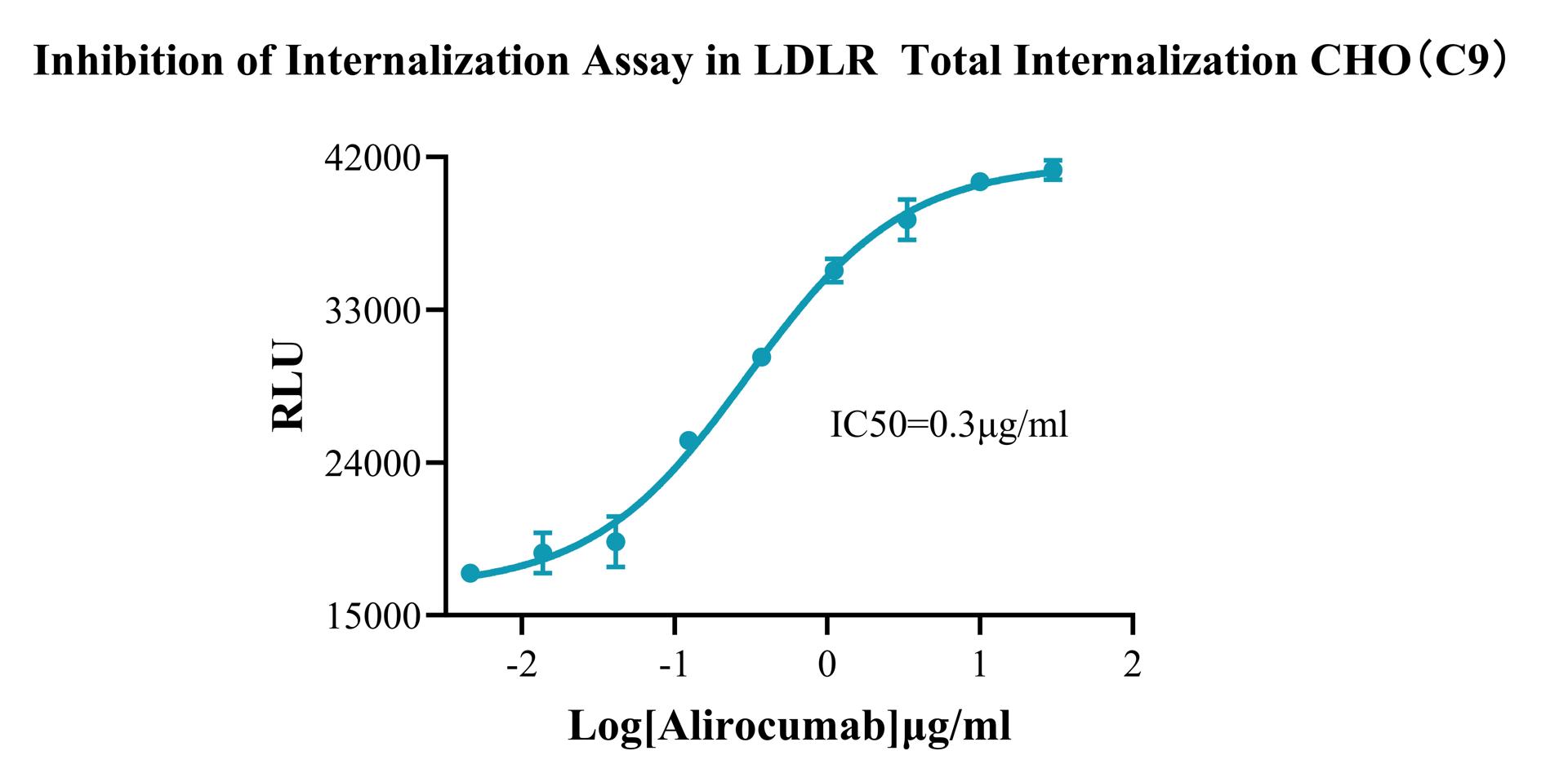
Figure 4. Inhibition of Internalization Assay in LDLR Total Internalization CHO(C9).
Cell Resuscitation
1)Rapidly thaw the frozen cells in a 37 °C water bath for approximately 60 seconds. Once thawed (which may take slightly less or more than 60 seconds), immediately transfer the cell suspension from the cryovial into a 15 mL centrifuge tube containing 10 mL of pre-warmed CHO-K1 Human LDLR Total Internalization Cell complete culture medium.
2)Centrifuge cells at 1000 rpm for 5 min to remove medium, then resuspend cells in 5 mL of pre-warmed complete medium.
3)Transfer the cell suspension into a T25 culture flask and incubate at 37 °C with 5% CO₂.
4)After approximately 24–36 hours, replace the medium or passage the cells to remove non-adherent dead cells.
Subculturing procedure
1)When the cell density reaches the appropriate confluency for passaging, wash the cells with PBS, then add 1 mL trypsin to detach the cells. When more than 80% of the cells detach upon gently tapping the culture flask, add complete culture medium to terminate digestion. Gently pipette to obtain a single-cell suspension, transfer to a 15 mL centrifuge tube, and centrifuge at 1000 rpm for 5 minutes.
2)Discard supernatant after centrifugation. Resuspend cells in fresh medium to a single-cell suspension and transfer to a new culture flask for continued growth.
Cell Freezing
After trypsinization and centrifugation of cells from each T75 flask or 10 cm culture dish, discard the supernatant. Add 2 mL of cryopreservation medium (90% FBS + 10% DMSO), gently resuspend thoroughly, and aliquot into two cryovials. Immediately place the cryovials into a controlled-rate freezing container (e.g., Nalgene 5100-0001), fill with isopropanol to the indicated level, and store at −80 °C. After 24 hours, transfer the cryovials to liquid nitrogen for long-term storage.
Related products
CHO-K1 Human NTSR2 Cell Line
CHO-K1 Human CCR4 Cell Line
HEK293 Human NK1R CRE-Luc Cell Line
Raji-Luc-GFP
Jurkat E6.1-Luc
We Are Pleased to Announce: Global Commercial Licensing Rights for Jurkat E6.1, CHO-K1, HEK293, THP-1 and RAJI Cell Lines Officially Secured.
ExploreWe Are Pleased to Announce: Global Commercial Licensing Rights for Jurkat E6.1, CHO-K1, HEK293, THP-1 and RAJI Cell Lines Officially Secured.
Explore