
THP-1 Human Dectin1a Effector Reporter Cell(Suspension)
Cat. No: RQP74604
Size: 1 vial of frozen cells (>1E6 per vial in 1 mL)
Unit Price: Contact For Pricing
Product Info
Description
Assay Data
Cell Culture
| Cat. No | RQP74604 |
| Product Name | THP-1 Human Dectin1a Effector Reporter Cell(Suspension) |
| Culture Properties | suspension |
| Stability | 32passages (in-house test, that not means the cell line will be instable beyond the passages we tested.) |
| Mycoplasma Status | Negative |
| Culture Medium | RPMI-1640+10%FBS+1 μg/ml Puromycin+5 μg/ml Blasticidin |
| Freeze Medium | 90% FBS+10% DMSO |
| Storage Conditions | Liquid nitrogen immediately upon delivery |
| Application | Functional(Report Gene) Assay |
For research use only. Not intended for human or animal clinical trials, therapeutic or diagnostic use.
Dectin (dendritic cell-associated C-type lectin), particularly Dectin-1, represents a critically important class of pattern recognition receptors (PRRs) in the immune system and belongs to the C-type lectin receptor (CLR) family. As a key type II transmembrane protein, Dectin-1 is the first non-TLR pattern recognition receptor identified to possess intracellular signaling capability. It is primarily expressed on the surface of myeloid immune cells, including macrophages, neutrophils, and dendritic cells. Through its extracellular domain, Dectin-1 specifically recognizes β-glucans (β-1,3 and β-1,6 glucans), which are unique components of fungal cell walls, thereby mediating immune cell binding, phagocytosis, and killing of fungi, while also inducing the production of cytokines and chemokines to initiate inflammatory responses. Beyond its antifungal functions, recent studies have revealed that Dectin-1 plays complex and critical roles in recognizing mycobacteria, modulating autoimmune diseases (e.g., inflammatory bowel disease, type 1 diabetes), and participating in cancer immune surveillance.
Upon recognition of insoluble β-glucans in fungal cell walls by its extracellular domain, Dectin-1 receptor clustering induces phosphorylation of the intracellular ITAM motif, which directly recruits and activates spleen tyrosine kinase (Syk). Activated Syk subsequently triggers both the NF-κB and Raf-1 signaling pathways. These two pathways act synergistically to collectively induce the production of inflammatory cytokines (e.g., TNF-α, IL-6), chemokines, and Th17-polarizing cytokines (e.g., IL-23, IL-1β), thereby bridging innate immunity and adaptive immunity, particularly Th17 cell responses.
The Dectin1a Effector Reporter Cell (Suspension) reporter gene drug target model effectively simulates the in vivo signal transduction process of Dectin1a, as shown in the figure below.
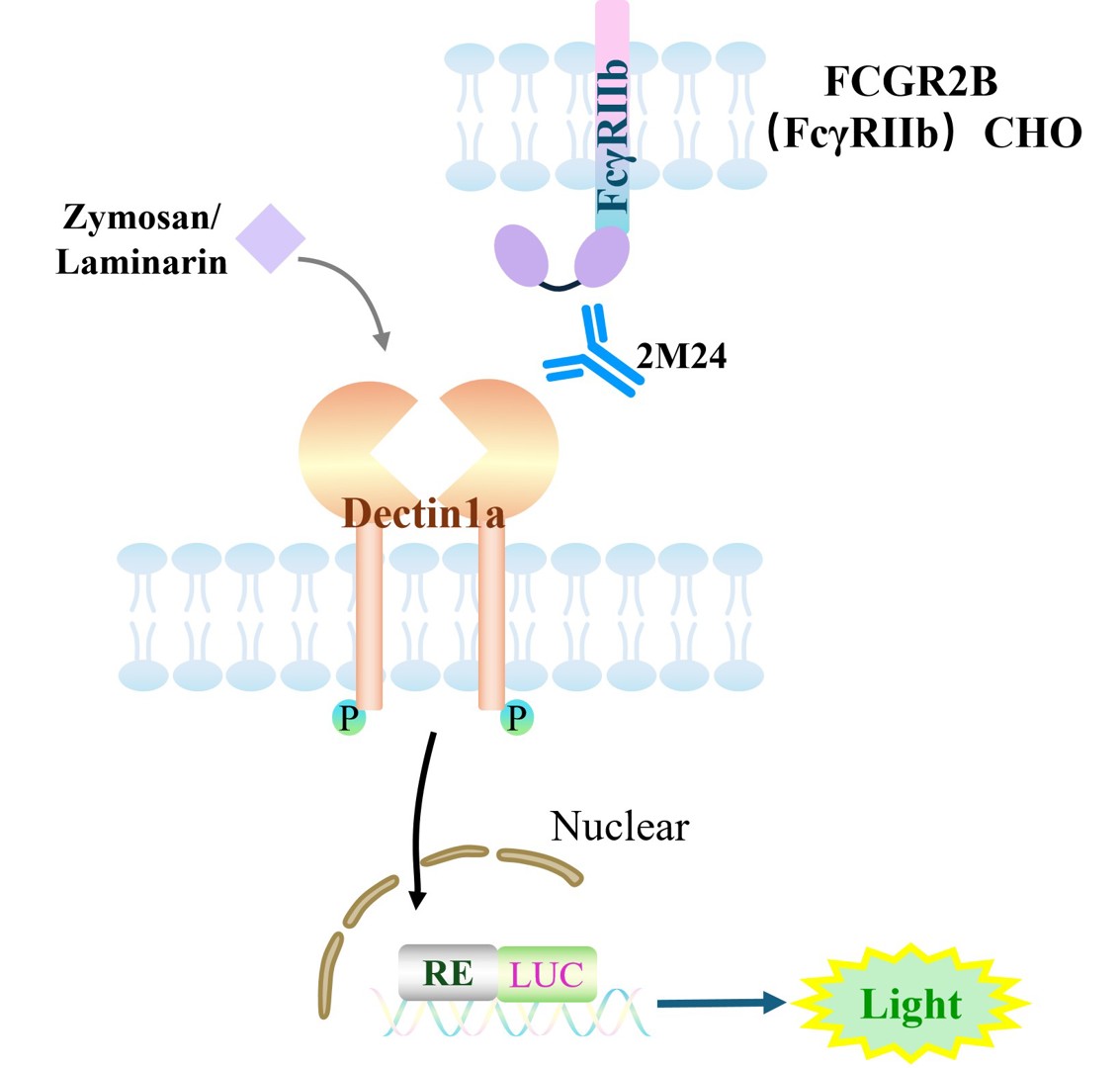
Figure 1. Schematic diagram of the Dectin1a Effector Reporter Cell (Suspension) cell model.
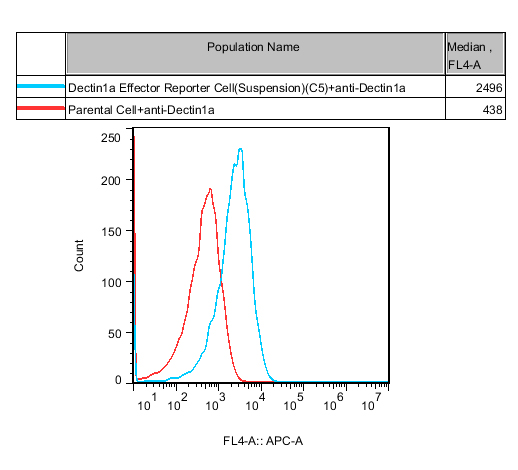
Figure 2. Recombinant Dectin1a Effector Reporter Cell(Suspension) stably expressing Dectin1a.
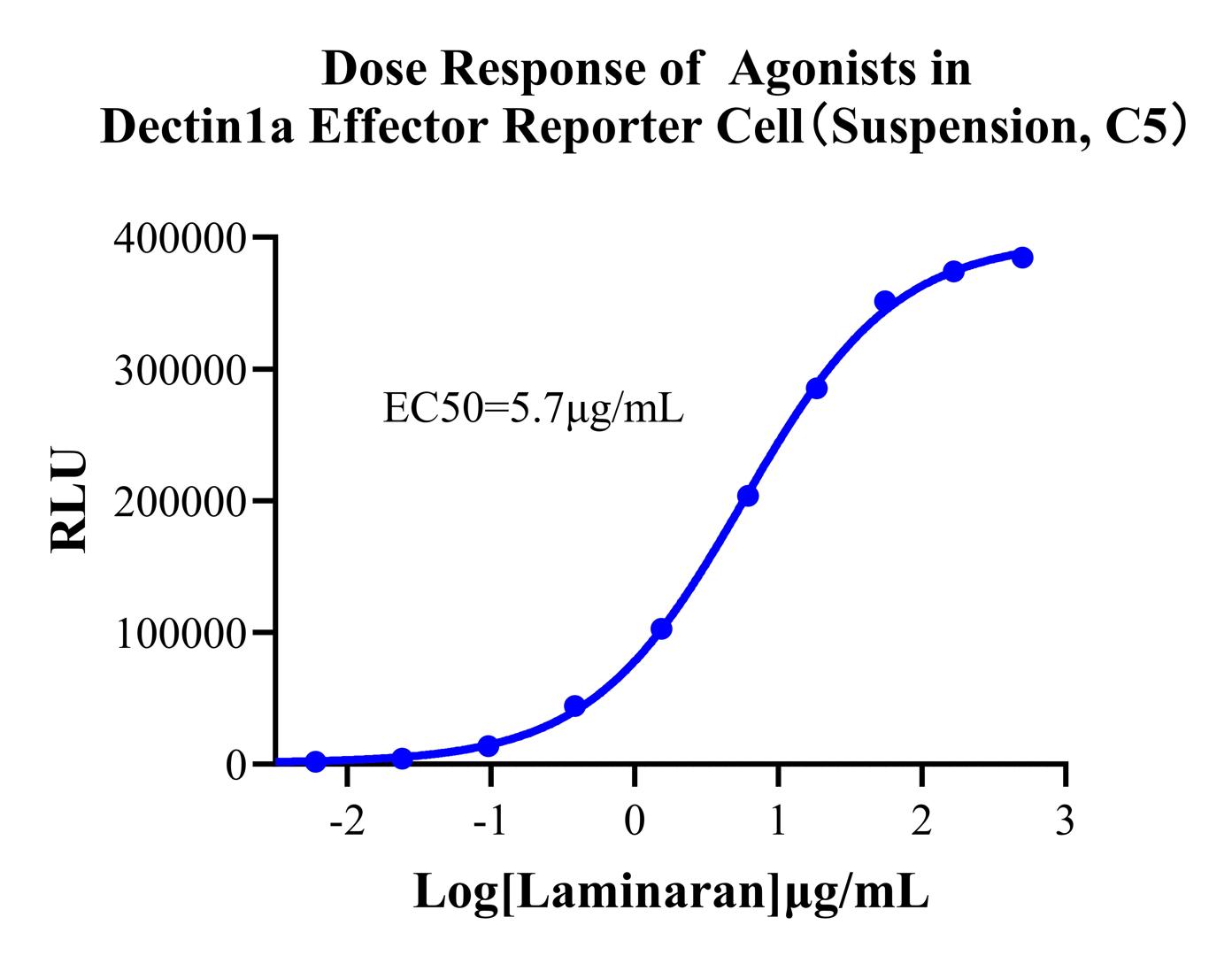
Figure 3. Dose Response of Agonists in Dectin1a Effector Reporter Cell(Suspension, C5).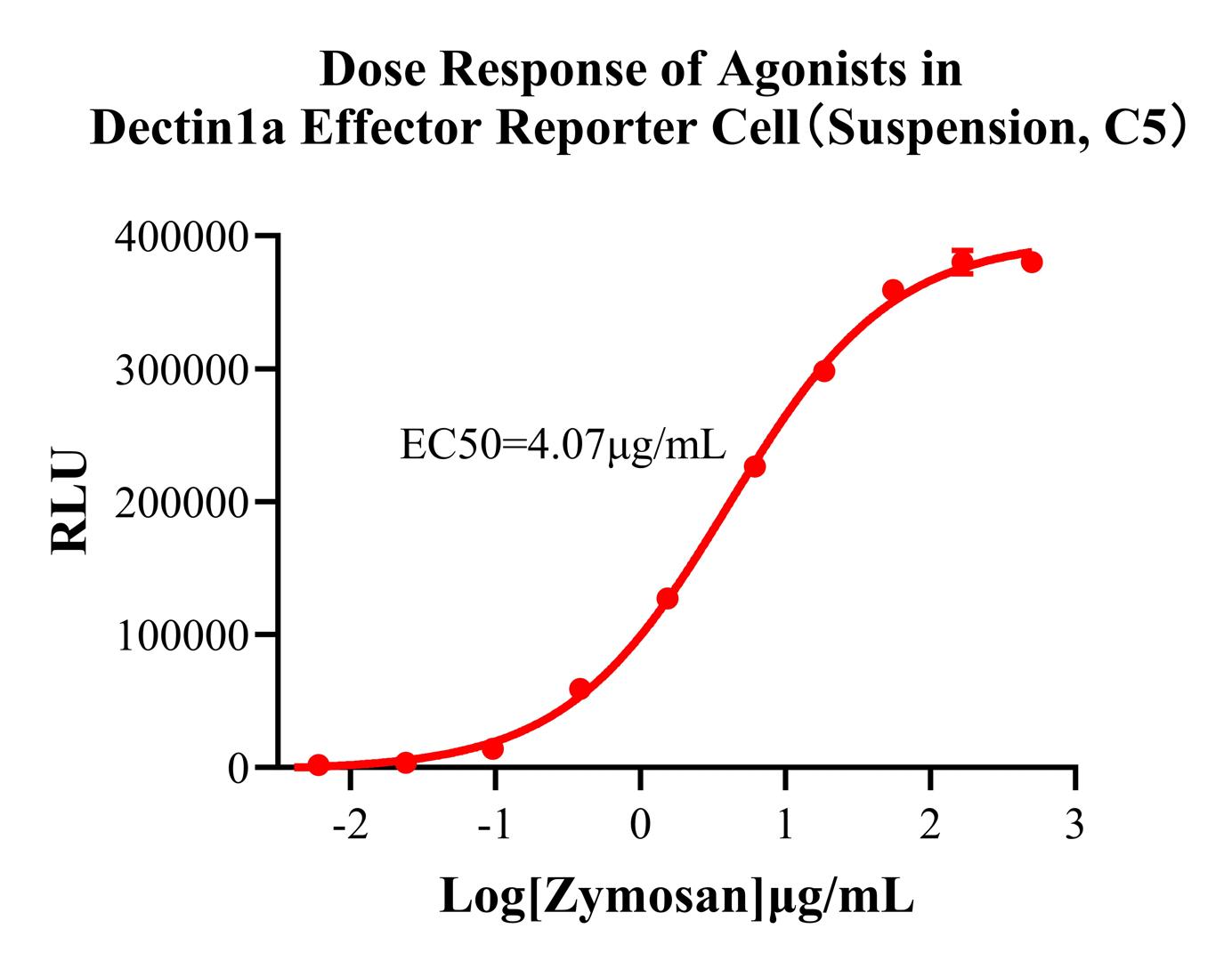
Figure 4. Dose Response of Agonists in Dectin1a Effector Reporter Cell(Suspension, C5).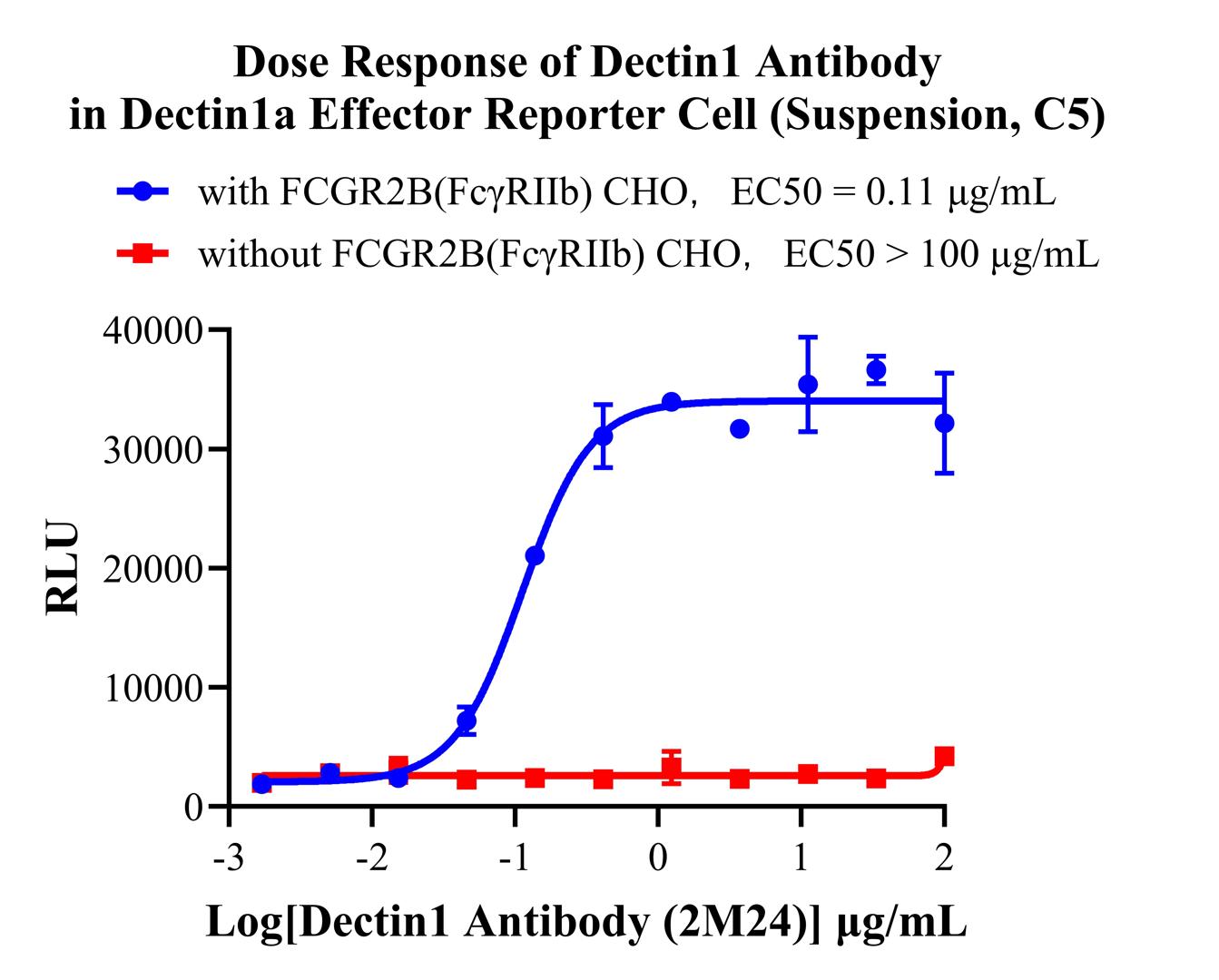
Figure 5. Dose Response of Dectin1 Antibody in Dectin1a Effector Reporter Cell (Suspension, C5).
Cell Passage Procedures
1.This cell line grows in suspension.
2.Upon receipt, cells should be thawed immediately or stored in liquid nitrogen until use.
3.Before thawing, pre-warm the water bath and culture medium to 37 °C, and prepare a small amount of dry ice.
4.Remove the cryovial from storage and transport it to the cell culture laboratory on dry ice.
5.Rapidly thaw the cells in a 37 °C water bath. Once the cells are completely thawed, spray the cryovial with 70% ethanol for disinfection and transfer it to a biosafety cabinet.
6.Add 10 mL of pre-warmed culture medium into a 15 mL centrifuge tube. Transfer the contents of the cryovial into the tube and centrifuge at 1000 rpm for 5 minutes.
7.Carefully discard the supernatant. Resuspend the cell pellet in 5 mL of pre-warmed culture medium by gentle pipetting. Immediately perform cell counting and adjust the cell density to 3–6 × 10⁵ cells/mL based on the counting results, then transfer the cells into a culture flask.
8.Count the cells every 1–2 days. When the cell density exceeds 1 × 10⁶ cells/mL, passage the cells promptly or add fresh culture medium. Maintain the cell density between 2 × 10⁵ and 1 × 10⁶ cells/mL.
Suspension Cell Cryopreservation Procedure:
1.Collect 8 × 10⁶ cells, centrifuge, and discard the supernatant.
2.Add 1 mL of cell freezing medium (90% FBS + 10% DMSO) and gently pipette to mix thoroughly. Transfer the suspension into a cryovial.
3.Immediately place the cryovial into a controlled-rate freezing container (Nalgene 5100-0001), fill with isopropanol up to the indicated level, and store at −80 °C.
4.After 24 hours, transfer the cryovial to liquid nitrogen for long-term storage.
Related products
CHO-K1 Human NTSR2 Cell Line
CHO-K1 Human CCR4 Cell Line
HEK293 Human NK1R CRE-Luc Cell Line
Raji-Luc-GFP
Jurkat E6.1-Luc
We Are Pleased to Announce: Global Commercial Licensing Rights for Jurkat E6.1, CHO-K1, HEK293, THP-1 and RAJI Cell Lines Officially Secured.
ExploreWe Are Pleased to Announce: Global Commercial Licensing Rights for Jurkat E6.1, CHO-K1, HEK293, THP-1 and RAJI Cell Lines Officially Secured.
Explore