

Home>
Resources>
Learning>
Articles>
IL-33: A Multifaceted Inflammatory Alarmin and Cell Models for Drug Screening
IL-33: A Multifaceted Inflammatory Alarmin and Cell Models for Drug Screening
Within the IL-1 cytokine family, interleukin-33 (IL-33) has rapidly moved into focus as a therapeutic target in inflammation and chronic disease. It acts both as an alarmin released in response to tissue damage and as a central driver of type 2 inflammation in asthma, chronic obstructive pulmonary disease (COPD), atopic dermatitis, and other disorders. In 2026, the success of AstraZeneca’s anti-IL-33 monoclonal antibody tozorakimab in a Phase III COPD trial further intensified industry interest in this target. Using its established cell engineering platform, Reqbio has developed functional IL-33-related cell models to support targeted drug screening.
I.The IL-33/ST2 Axis: From Nuclear Protein to Extracellular Alarm Signal
The IL33 gene is located on the short arm of chromosome 9 and encodes a 270-amino-acid protein with two highly conserved domains: an N-terminal nuclear localization domain and a C-terminal IL-1-like cytokine domain responsible for receptor binding. Under normal physiological conditions, IL-33 is found primarily in the nuclei of endothelial cells, epithelial cells, and fibroblasts, where it associates with chromatin.
Following tissue damage, mechanical stress, or infection, IL-33 is rapidly released into the extracellular space. As an alarmin, it binds ST2 on target cells and initiates an immune response. ST2, also known as IL1RL1, belongs to the IL-1 receptor family and has two major isoforms: membrane-bound ST2L and soluble sST2. ST2L mediates signal transduction, whereas sST2 acts as a decoy receptor that negatively regulates IL-33 activity.
Physiological Functions and Signaling of IL-33:
IL-33 forms a ternary receptor complex with ST2 and the coreceptor IL-1 receptor accessory protein (IL-1RAcP). The complex recruits the adaptor protein MyD88 and activates NF-κB and MAPK signaling cascades, including p38, JNK, and ERK. This pathway induces the release of type 2 cytokines such as IL-4, IL-5, and IL-13 and promotes the activation and recruitment of eosinophils, mast cells, and group 2 innate lymphoid cells (ILC2s). Beyond its proinflammatory effects, IL-33 contributes to tissue homeostasis and repair, with outcomes that are strongly context dependent.
II. The Dual Physiological and Pathological Roles of IL-33/ST2
The biological effects of the IL-33/ST2 axis vary markedly by context:
Host defense: During infection, IL-33 signaling is essential for neutrophil-mediated antibacterial defense.
Tissue repair: IL-33 promotes epithelial cell migration and tissue repair through ST2 signaling and helps maintain mucosal barrier function.
Pathological inflammation: Excessive or sustained IL-33 release can drive chronic inflammation and contribute to COPD, asthma, atopic dermatitis, eosinophilic esophagitis, and other diseases.
Tumor microenvironment: This pathway may promote tumor progression by expanding immunosuppressive populations such as myeloid-derived suppressor cells (MDSCs) and regulatory T cells (Tregs). It may also support antitumor activity by activating CD8⁺ T cells and natural killer (NK) cells. The net effect depends on the target cell type and disease context.
III. Drug Development Targeting IL-33/ST2: From a COPD Breakthrough to a Broader Pipeline
Multiple clinical studies have supported the druggability of the IL-33/ST2 pathway. Current development strategies focus mainly on anti-IL-33 monoclonal antibodies that block the ligand and anti-ST2 monoclonal antibodies that block the receptor.
Selected Clinical-Stage Programs:
|
Name |
Developer |
Clinical Stage |
Target |
Modality |
Indications |
|
Tozorakimab |
AstraZeneca |
Phase III |
IL-33 |
Monoclonal antibody |
COPD, atopic dermatitis, acute respiratory infection |
|
Itepekimab |
Sanofi |
Phase III |
IL-33 |
Monoclonal antibody |
COPD, bronchiectasis |
|
Astegolimab |
Roche |
Phase III |
ST2 (IL-33R) |
Monoclonal antibody |
Asthma, COPD |
|
Etokimab |
AnaptysBio |
Phase II/III |
IL-33 |
Monoclonal antibody |
Respiratory diseases |
|
PF-07264660 |
Pfizer |
Phase II |
IL-4/IL-13/IL-33 |
Trispecific antibody |
Moderate-to-severe atopic dermatitis |
|
Torudokimab |
Eli Lilly/Zuro Bio |
Phase II |
IL-33 |
Monoclonal antibody |
Asthma, COPD |
|
9MW1911 |
Mabwell |
Phase II |
ST2 |
Monoclonal antibody |
COPD |
Technical Highlights:
Differentiated design of tozorakimab: Reported as the first anti-IL-33 antibody with a dual mechanism, tozorakimab binds reduced IL-33 with picomolar affinity to block ST2 signaling. By preventing IL-33 oxidation, it also inhibits epithelial remodeling mediated by the RAGE/EGFR pathway, providing a broader intervention strategy for COPD.
Safety data for ST2 targeting: Clinical data for the anti-ST2 monoclonal antibody astegolimab showed that it was well tolerated in more than 580 patients, with rates of infection and cardiac adverse events similar to those in the placebo group. These findings provide preliminary support for the safety of targeting this pathway.
Multispecific antibody development: Pfizer’s PF-07264660 targets IL-4, IL-13, and IL-33, reflecting efforts to block multiple components of type 2 inflammatory signaling.
IV. Accelerating IL-33/ST2 Drug Development: Reqbio Cell Models and Supporting Data
Functional cell models that sensitively and specifically detect ligand–receptor engagement and downstream signaling are central to screening and bioactivity assays for IL-33/ST2-targeted therapeutics. Reqbio has developed both adherent and suspension IL-33 effector reporter cell models to accommodate different assay workflows and automation platforms.
Recommended Reqbio IL-33 Cell Models:
|
Cell Name |
Catalog No. |
Cell Format |
Assay Format |
Core Applications |
|
HEK293 Human IL33 Effector Reporter Cell (Adherent) |
RQP74543 |
Adherent |
Luciferase reporter assay |
IL-33 agonist activity, blocking antibody screening, HTS compatibility |
Jurkat E6.1 Human IL33 Effector Reporter Cell (Suspension) |
RQP74176 |
Suspension |
Luciferase reporter assay |
IL-33 bioactivity assay, neutralizing antibody potency assay, automated screening |
Characterization Data and Key Advantages:
HEK293 Human IL33 Effector Reporter Cell (Adherent) (RQP74543)
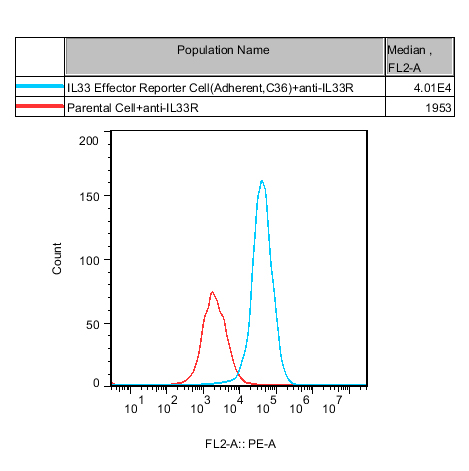
Figure 1. Stable expression of the mouse IL-33 receptor complex, including ST2 and the accessory receptor, was confirmed in the adherent reporter cells, supporting the reliability of the screening system.
Figure 2 (Core Functional Characterization Data):
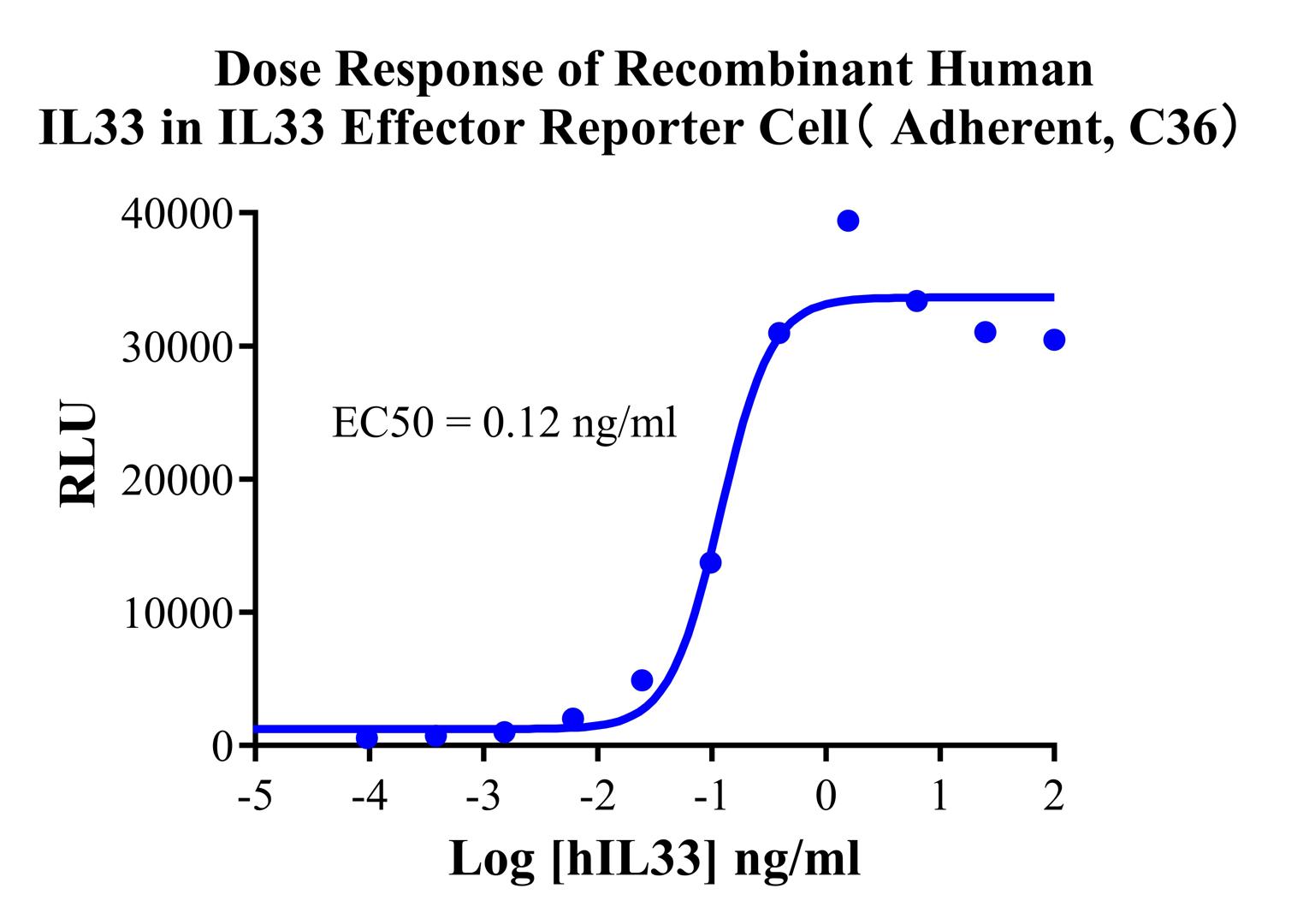
Assay principle: Recombinant human IL-33 binds ST2/IL-1RAcP on the cell surface, activating MyD88/NF-κB signaling and driving luciferase reporter gene expression.
Data interpretation: Recombinant human IL-33 produces a characteristic dose-dependent activation curve, with a consistent EC₅₀, a broad assay window, and low background signal.
Key Advantages:
- Species compatibility: The mouse receptor complex detects human IL-33 activity, enabling cross-reactivity assessment.
- High sensitivity: The model responds sensitively to IL-33 and is suitable for testing active substances at low concentrations.
- Adherent format: Compatible with conventional laboratory equipment and manual workflows; firm cell attachment facilitates medium changes and plate-washing steps.
Figure 3 (Three-Mechanism Inhibition Assay):
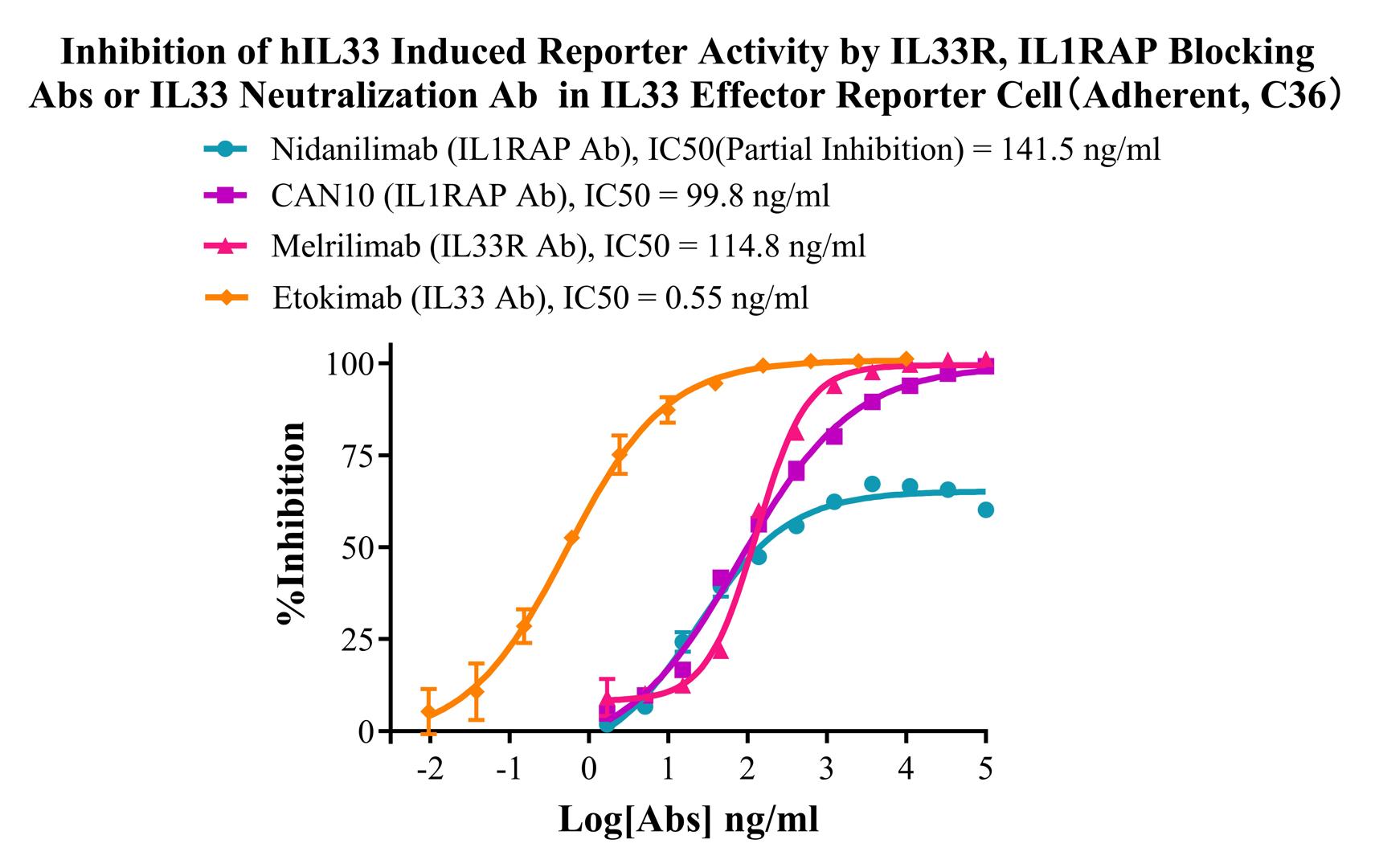
Data interpretation: An IL-33R-blocking antibody, an IL-1RAcP-blocking antibody, and an IL-33-neutralizing antibody—representing three distinct mechanisms of action—each inhibit human IL-33-induced reporter activity in a dose-dependent manner.
Key Advantages:
- Mechanistic differentiation: The same model distinguishes ligand-targeting IL-33-neutralizing antibodies from inhibitors directed against different receptor-complex subunits (ST2 versus IL-1RAcP), providing direct evidence for mechanism-of-action (MOA) validation of candidate molecules.
- Comparative potency assessment: The model can compare the potency of different intervention strategies along the IL-33/ST2 pathway and inform candidate-selection decisions.
- Broad applicability: Validation of three blocking mechanisms supports screening across multiple candidate drug classes.
2. Jurkat E6.1 Human IL33 Effector Reporter Cell (Suspension) (RQP74176)
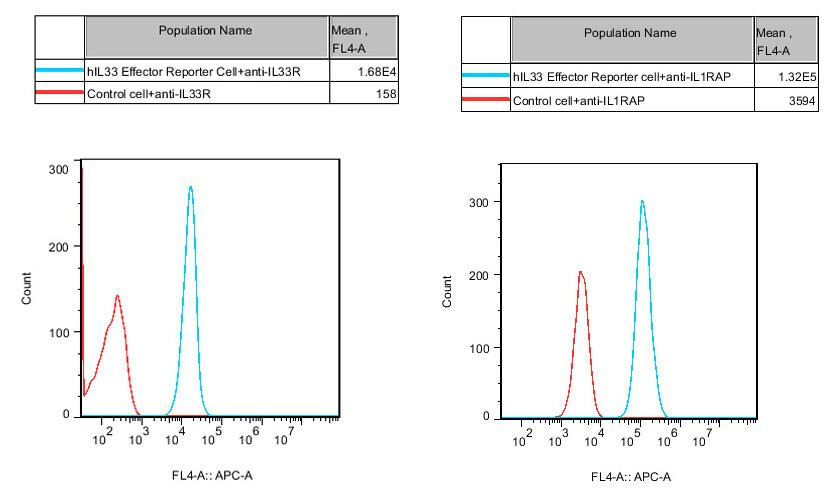
Figure 4. Stable co-expression of the human IL-33 receptor complex was confirmed in the suspension reporter cells, verifying receptor-complex integrity.
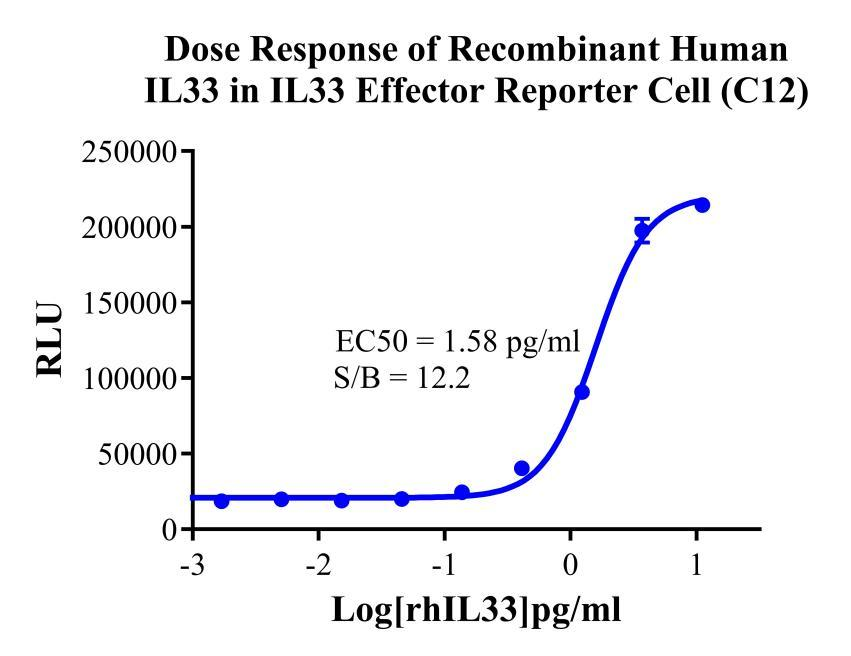
Figure 5 (Functional Characterization). Recombinant human IL-33 produces a characteristic dose-dependent activation curve with a consistent EC₅₀, demonstrating that the model can quantify IL-33 activity.
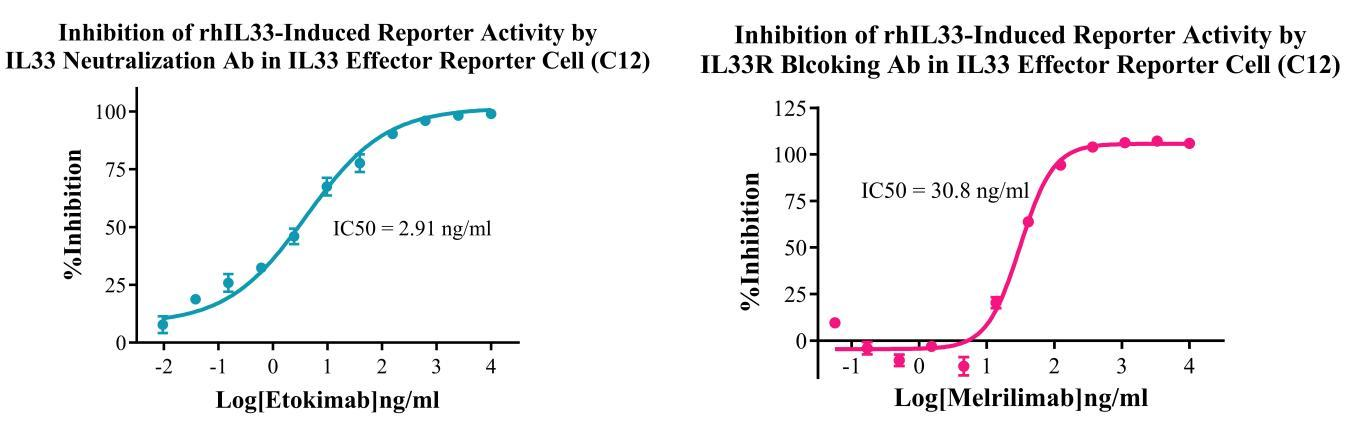
Figure 6 (Inhibition Assay). IL-33-neutralizing/blocking antibodies inhibit IL-33-induced reporter activity in a dose-dependent manner, demonstrating the model’s suitability for potency assessment of anti-IL-33 and anti-ST2 antibodies.
Key Advantages:
- Suspension format: No enzymatic dissociation is required for passaging, simplifying handling and supporting compatibility with automated liquid-handling workstations and high-throughput screening (HTS) platforms.
- Human receptor system: Directly aligned with human IL-33 drug development and more relevant to translational applications.
- Lot-release compatibility: The suspension culture system is readily scalable and suitable for lot-release bioactivity assays of recombinant IL-33 proteins.
- Broad assay window: Like the adherent model, its broad dynamic range facilitates differentiation among candidates with different potencies.
Adherent vs. Suspension: Model Selection Guide
|
Application |
Recommended Model |
Rationale |
|
Conventional manual laboratory workflows |
Adherent |
Firm cell attachment and a broad operating window suit small-scale screening |
|
Automated high-throughput screening |
Suspension |
No trypsinization required; well suited to automated equipment |
|
Recombinant IL-33 lot release |
Suspension |
Suspension culture is readily scalable and provides high assay reproducibility |
|
Mechanistic studies (MOA validation) |
Adherent |
Facilitates medium changes and testing of multiple intervention conditions |
|
Cross-assessment of bispecific/multispecific antibodies |
Either model |
The two models provide complementary cross-validation |
Summary of Core Product Advantages:
|
Advantage |
Description |
|
High-interest target |
IL-33/ST2 is an emerging target of strong interest in COPD, asthma, and atopic dermatitis. The Phase III success of tozorakimab has increased confidence in its therapeutic potential. |
|
Flexible choice of two cell formats |
Adherent and suspension models support conventional manual workflows and automated high-throughput screening, respectively. |
|
Multiple blocking mechanisms |
Figure 3 demonstrates three blocking mechanisms—anti-ST2, anti-IL-1RAcP, and anti-IL-33—covering major drug development strategies. |
|
Species compatibility |
The adherent model detects human IL-33 through a mouse receptor complex to support cross-reactivity assessment; the suspension model uses a fully human receptor system aligned with translational needs. |
|
Highly sensitive reporter system |
A picomolar response range supports bioactivity assays, lot-release testing, and high-throughput screening. |
|
Ready-to-use products |
Following single-clone selection and functional characterization, the cells can be used after recovery, shortening assay development timelines. |
V. Representative Applications
Anti-IL-33 monoclonal antibody screening and potency assays: Use suspension or adherent reporter cells stimulated with recombinant IL-33 to assess the neutralizing activity of anti-IL-33 antibodies, such as tozorakimab biosimilars or novel molecules.
Assessment of ST2-blocking antibodies: Use IL-33 as the agonist and titrate an anti-ST2 antibody, such as an astegolimab analogue, to evaluate inhibition of IL-33/ST2 binding.
Development of IL-1RAcP-blocking antibodies: Use the Figure 3 assay system to screen novel antibodies that inhibit IL-33 signaling by blocking the accessory receptor.
Screening of small-molecule IL-33/ST2 pathway inhibitors: Evaluate the inhibitory activity of small molecules and explore therapeutic modalities beyond monoclonal antibodies.
Lot-release testing of recombinant IL-33 proteins: Quantify the bioactivity of recombinant IL-33 using reporter cells to support lot-to-lot consistency.
Conclusion
The IL-33/ST2 axis links tissue damage to immune responses, and its translational potential has become clearer as programs such as tozorakimab and astegolimab have advanced clinically. Across COPD, atopic dermatitis, asthma, and combination cancer immunotherapy, the pathway has broad therapeutic potential. Reqbio’s adherent and suspension IL-33 effector reporter cell models combine sensitive functional readouts with flexible assay formats for drug discovery and development.
Using functional cell engineering and precision gene-editing platforms, Reqbio provides drug-testing cell models spanning GPCR, immuno-oncology, kinase, and other target classes, together with cell-based bioactivity assay services.


news recommendation
CaSR: The Calcium Homeostasis Sentinel and a Core GPCR Target for Metabolic and Kidney Disease Research
CD3E: The T-Cell Activation Switch and Cell Models for Targeted Therapeutics
NFAT Signaling Pathway: A Critical Target for Drug R&D and Cell Models
TSHR Cell Model for Thyroid Cancer Drug Screening | GPCR Assay Platform-Reqbio
Worldwide Commercial Licensing Rights Secured:Jurkat E6.1, CHO-K1, HEK293, THP-1, Raji Cell Lines-Expanding Our Capabilities in Cell-Based Research.
Explore