
Jurkat E6.1 Human PD1&LAG3 Dual Effector Reporter Cell
Cat. No: RQP74147
Size: 1 vial of frozen cells (>1E6 per vial in 1 mL)
Unit Price: Contact For Pricing
Product Info
Description
Biological Information
Assay Data
Cell Culture
| Cat. No | RQP74147 |
| Product Name | Jurkat E6.1 Human PD1&LAG3 Dual Effector Reporter Cell |
| Product Type | Reporter Cell |
| Culture Properties | suspension |
| Stability | 32passages (in-house test, that not means the cell line will be instable beyond the passages we tested.) |
| Mycoplasma Status | Negative |
| Culture Medium | RPMI-1640+10%FBS+1μg/ml puromycin+800μg/ml Hygromycin B+10μg/ml blasticidin |
| Freeze Medium | 90% FBS+10% DMSO |
| Storage Conditions | Liquid nitrogen immediately upon delivery |
| Application | Functional(Report Gene) Assay |
For research use only. Not intended for human or animal clinical trials, therapeutic or diagnostic use.
Tumor cells can evade recognition and killing by the host immune system through immune checkpoint receptors. Therefore, blocking these immune checkpoint receptors may be a broadly effective tumor immunotherapy. Currently, although anti-PD-1/PD-L1 antibodies are relatively mature, similar to anti-CTLA4 antibodies, patient overall response rates remain low due to the presence of resistance, making the search for new tumor immunotherapy targets urgent. Programmed Cell Death Protein 1 (PD-1), a receptor expressed on activated T cells, binds to its ligands PD-L1 and PD-L2 to negatively regulate immune responses. PD-1 ligands are present in most cancers, and the PD-1:PD-L1/2 interaction inhibits T cell activity, allowing cancer cells to escape immune surveillance. The PD-1/PD-L1 signaling pathway is an important component of tumor immune suppression, as it can inhibit T lymphocyte activation, enhance tumor cell immune tolerance, thereby enabling tumor immune escape. In summary, binding of PD-1 to PD-L1 weakens T cell-mediated immune surveillance, leading to impaired immune responses, and even T cell apoptosis. PD-1/PD-L1 inhibitors can relieve immune suppression of anti-tumor T cells, resulting in T cell proliferation, infiltration into the tumor microenvironment, and induction of anti-tumor responses. The PD-1:PD-L1/2 pathway also participates in regulating autoimmune responses, making these proteins promising therapeutic targets for various cancers as well as multiple sclerosis, arthritis, lupus, and type 1 diabetes.
LAG-3, also known as CD223, is an immune checkpoint receptor protein primarily expressed on activated T cells, NK cells, B cells, and plasmacytoid dendritic cells. Studies have shown that LAG-3 reduces T cell activity through binding to MHC II molecules; simultaneously, LAG-3 can enhance the suppressive function of regulatory T cells (Treg). Therapeutic antibody blockade of LAG-3 can relieve T cell inhibition and enhance T cell immune responses, so antibodies targeting LAG-3 have become the third immune checkpoint target inhibitor to enter clinical trials after CTLA-4 and PD-1/L1.
Research indicates that LAG-3 is frequently co-expressed with PD-1 in the tumor immune microenvironment of T cell exhaustion. LAG-3 expression is significantly higher in tumor-infiltrating T cells resistant to PD-1 antibodies compared to those that are not resistant. In mouse models, simultaneous blockade of LAG-3 and PD-1/L1 resulted in longer survival and reduced tumor burden, suggesting potential synergistic effects of co-inhibiting the LAG-3 and PD-1/L1 pathways and possibly overcoming PD-1/L1 resistance. Therefore, based on currently published data and clinical trial designs, most investigational LAG-3 inhibitors are being developed as combination therapies with PD-1/L1 or as bispecific antibodies targeting both PD-1/L1 and LAG-3.
The PD1 LAG3 Dual Effector Reporter Cell reporter gene drug target model effectively simulates the signal transduction process of PD1 and LAG3 in vivo, with the principle shown in the figure below.
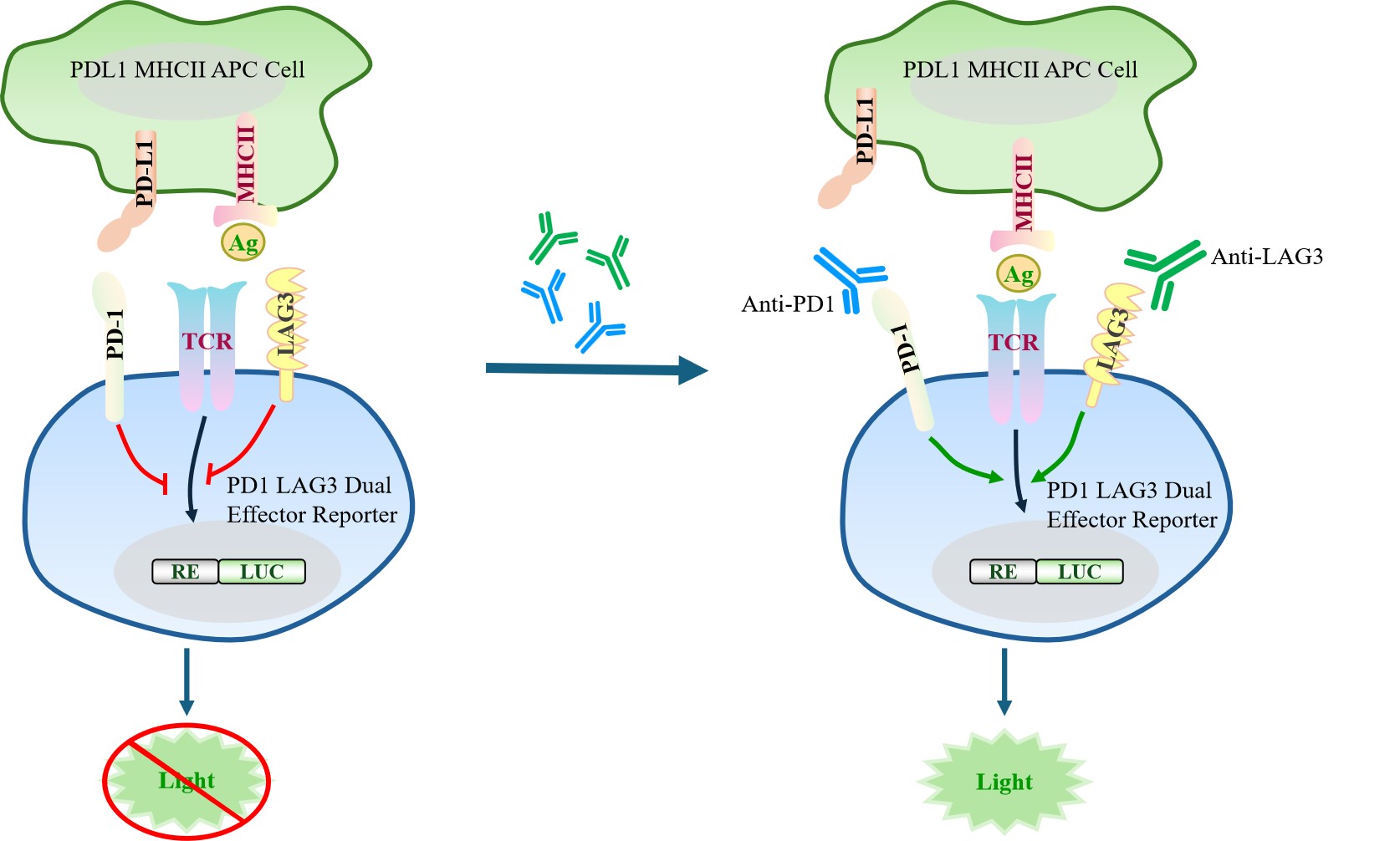
Figure 1. Schematic of the PD1 LAG3 Dual Effector Reporter Cell Model.
| Classification | Combination |
| Family | CD28 family |
| Gene Name | PDCD1 |
| Gene Aliases | CD279;PD1;hSLE1;PD-1 |
| Gene ID | 5133 |
| Accession Number | NM_005018.3 |
| UniProt Number | Q15116 |
| Protein Name | Protein PD-1;hPD-1 |
| Protein Aliases | N/A |
| Family-2 | Immunoglobulin Superfamily (IgSF) |
| Gene Name-2 | LAG3 |
| Gene Aliases-2 | CD223 |
| Gene ID-2 | 3902 |
| Accession Number-2 | NM_002286.6 |
| UniProt Number-2 | P18627 |
| Protein Name-2 | LAG-3 |
| Protein Aliases-2 | N/A |
| Target Species | Human |
| Host cell | Jurkat E6.1 |
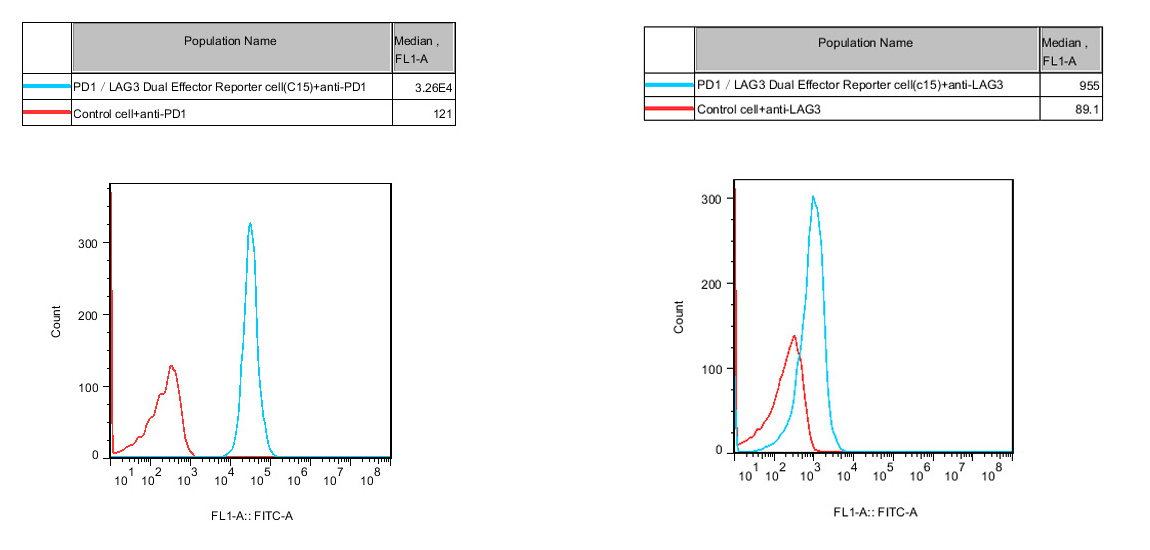
Figure 2. PD-1/LAG3 Dual Effector Reporter Cell constitutively expressing PD1 and LAG3.
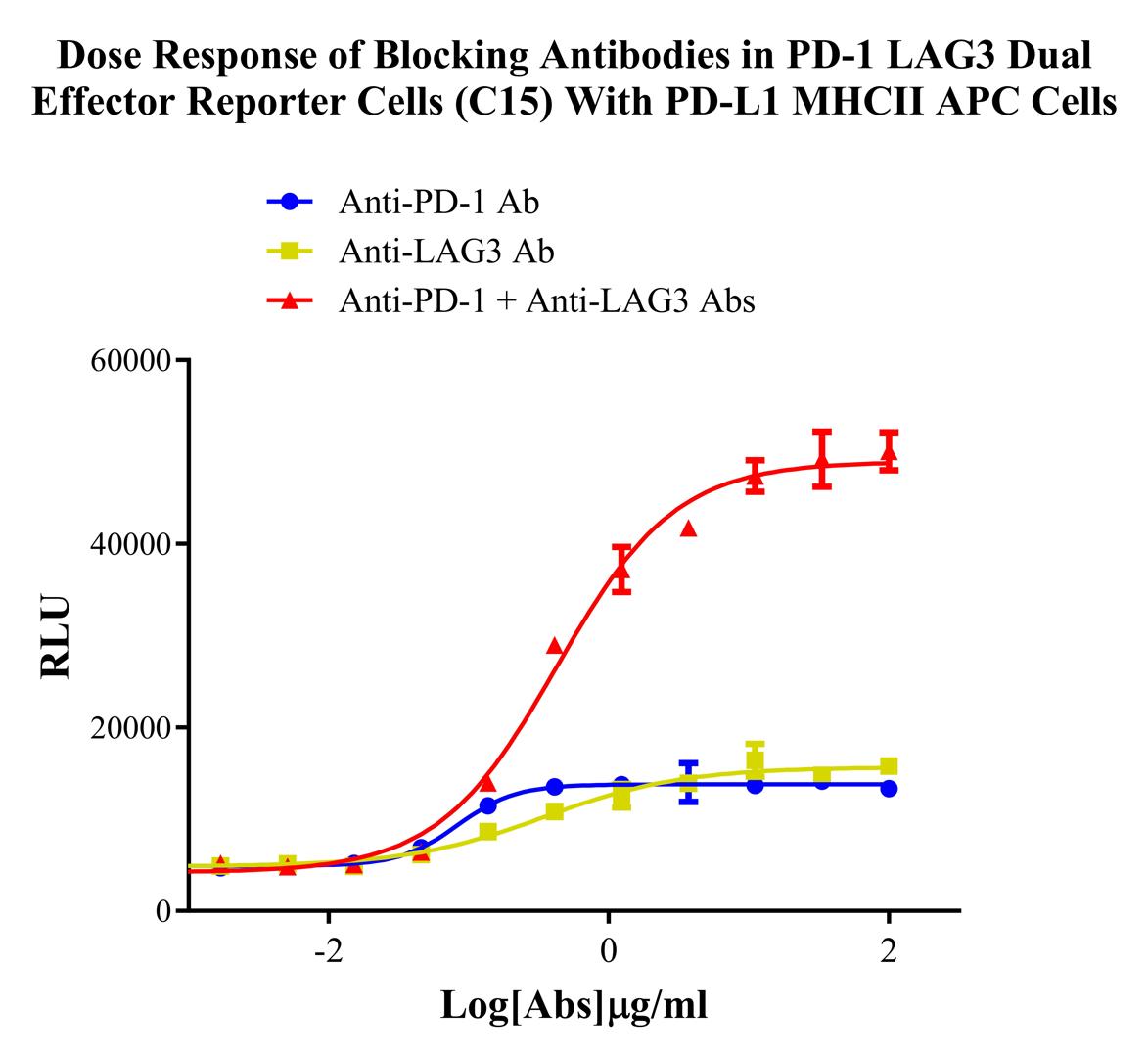
Figure 3. Dose Response of Blocking Antibodies in PD-1 LAG3 Dual Effector Reporter Cells (C15) With PD-L1 MHCII APC Cells.
Cell Passage Procedures
1.This cell line grows in suspension.
2.Upon receipt, cells should be thawed immediately or stored in liquid nitrogen until use.
3.Before thawing, pre-warm the water bath and culture medium to 37 °C, and prepare a small amount of dry ice.
4.Remove the cryovial from storage and transport it to the cell culture laboratory on dry ice.
5.Rapidly thaw the cells in a 37 °C water bath. Once the cells are completely thawed, spray the cryovial with 70% ethanol for disinfection and transfer it to a biosafety cabinet.
6.Add 10 mL of pre-warmed culture medium into a 15 mL centrifuge tube. Transfer the contents of the cryovial into the tube and centrifuge at 1000 rpm for 5 minutes.
7.Carefully discard the supernatant. Resuspend the cell pellet in 5 mL of pre-warmed culture medium by gentle pipetting. Immediately perform cell counting and adjust the cell density to 3–6 × 10⁵ cells/mL based on the counting results, then transfer the cells into a culture flask.
8.Count the cells every 1–2 days. When the cell density exceeds 1 × 10⁶ cells/mL, passage the cells promptly or add fresh culture medium. Maintain the cell density between 2 × 10⁵ and 1 × 10⁶ cells/mL.
Suspension Cell Cryopreservation Procedure:
1.Collect 8 × 10⁶ cells, centrifuge, and discard the supernatant.
2.Add 1 mL of cell freezing medium (90% FBS + 10% DMSO) and gently pipette to mix thoroughly. Transfer the suspension into a cryovial.
3.Immediately place the cryovial into a controlled-rate freezing container (Nalgene 5100-0001), fill with isopropanol up to the indicated level, and store at −80 °C.
4.After 24 hours, transfer the cryovial to liquid nitrogen for long-term storage.
Related products
CHO-K1 Human NTSR2 Cell Line
CHO-K1 Human CCR4 Cell Line
HEK293 Human NK1R CRE-Luc Cell Line
Raji-Luc-GFP
Jurkat E6.1-Luc
We Are Pleased to Announce: Global Commercial Licensing Rights for Jurkat E6.1, CHO-K1, HEK293, THP-1 and RAJI Cell Lines Officially Secured.
ExploreWe Are Pleased to Announce: Global Commercial Licensing Rights for Jurkat E6.1, CHO-K1, HEK293, THP-1 and RAJI Cell Lines Officially Secured.
Explore