
HEK293 Human CALCRL RAMP1 VPAC1 CRE-Luc Cell Line
Cat. No: RQP71377
Size: 1 vial of frozen cells (>1E6 per vial in 1 mL)
Unit Price: Contact For Pricing
Product Info
Description
Biological Information
Assay Data
Cell Culture
| Cat. No | RQP71377 |
| Product Name | HEK293 Human CALCRL RAMP1 VPAC1 CRE-Luc Cell Line |
| Product Type | Receptor Cell Lines |
| Engineering method | plasmid and lentivirus |
| Culture Properties | Adherent |
| Stability | 32passages (in-house test, that not means the cell line will be instable beyond the passages we tested.) |
| Mycoplasma Status | Negative |
| Culture Medium | DMEM+10%FBS+2 μg/ml Puromycin+ 5 μg/ml Blasticidin+200 μg/ml Hygromycin B+ 400 μg/ml G418 |
| Freeze Medium | 90% FBS+10% DMSO |
| Storage Conditions | Liquid nitrogen immediately upon delivery |
| Transducer | Gs |
| Application | Functional assay for CALCRL&RAMP1&VPAC1 |
For research use only. Not intended for human or animal clinical trials, therapeutic or diagnostic use.
The neuropeptide calcitonin gene-related peptide (CGRP) is a potent vasodilator produced by central and peripheral neurons. In the human body, CGRP exists in two forms: α-CGRP and β-CGRP. Both α-CGRP and β-CGRP act as full agonists for the receptor. CGRP mediates its effects through the CGRP receptor, a heterodimeric complex comprising a G protein-coupled receptor—CALCRL—and a single-transmembrane domain protein—RAMP1. The final component required for a functional CGRP receptor is the Receptor Component Protein (RCP). It has been demonstrated that the absence of RCP impairs CGRP receptor activation—as measured by an increase in cyclic adenosine monophosphate (cAMP)—without affecting ligand binding. The primary functional unit of the receptor, CALCRL (also known as CLR or CRLR), can associate with one of three RAMPs, each of which generates a distinct receptor type. RAMPs are single-transmembrane proteins that are critical for receptor function, as they facilitate the translocation of the receptor complex to the plasma membrane and further confer specificity for ligand binding. CALCRL in association with RAMP1 constitutes the CGRP receptor; with RAMP2, it forms the AM receptor (designated AM1); and with RAMP3, it forms the dual CGRP/AM receptor (designated AM2). The RAMP1 subunit is responsible for the specific binding of CGRP to the CGRP receptor.
As a core member of the Class B GPCR family, the VPAC1 receptor (Vasoactive Intestinal Peptide Receptor Type 1) is highly expressed primarily in immune cells, the gastrointestinal tract, and the respiratory tract. Utilizing the endogenous ligands Vasoactive Intestinal Peptide (VIP) and Pituitary Adenylate Cyclase-Activating Polypeptide (PACAP) as high-affinity activators, it exerts key physiological regulatory functions by specifically coupling to the Gs/cAMP-PKA signaling axis. Activation of VPAC1 inhibits the release of inflammatory cytokines by macrophages (e.g., TNF-α, IL-12), promotes the relaxation of intestinal smooth muscle and the repair of the epithelial barrier, and induces bronchodilation while suppressing mucus secretion; thereby, it maintains immune tolerance, gastrointestinal motility, and respiratory homeostasis. Functional defects in VPAC1 have been confirmed to be closely associated with the pathological progression of inflammatory bowel disease (IBD), asthma, and rheumatoid arthritis. Furthermore, targeted agonists have demonstrated significant therapeutic efficacy in the treatment of acute respiratory distress syndrome (ARDS) and IBD, underscoring the therapeutic value of VPAC1 as a central regulator of immune-mucosal homeostasis.
The HEK293 Human CALCRL RAMP1 VPAC1 CRE-Luc Cell Line model effectively simulates the in vivo CALCRL RAMP1 VPAC1 CRE-Luc signal transduction process, the principle is illustrated in the figure below.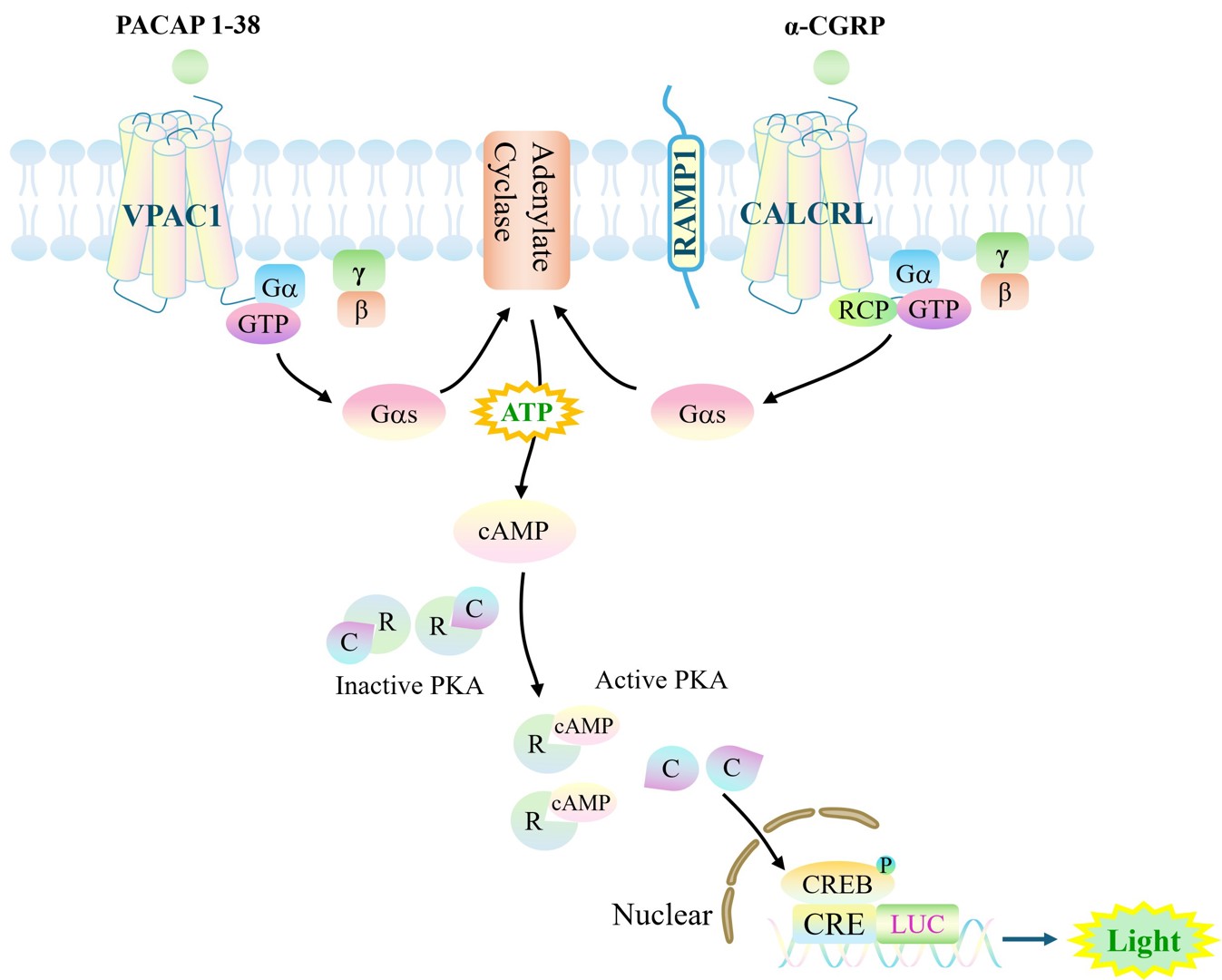
Figure 1. Schematic diagram of the HEK293 Human CALCRL RAMP1 VPAC1 CRE-Luc Cell Line model
| Target Class | GPCR |
| Sub Family | Combination |
| Family-1 | Calcitonin receptors |
| Gene Name-1 | CALCRL |
| Gene Aliases-1 | CGRPR;CRLR |
| Gene ID-1 | 10203 |
| Accession Number-1 | NM_005795 |
| UniProt Number-1 | Q16602 |
| Protein Name-1 | Calcitonin gene-related peptide type 1 receptor |
| Protein Aliases-1 | CGRP type 1 receptor;Calcitonin receptor-like receptor (CRLR) |
| Family-2 | Receptor (G protein-coupled) activity modifying proteins |
| Gene Name-2 | RAMP1 |
| Gene Aliases-2 | N/A |
| Gene ID-2 | 10267 |
| Accession Number-2 | NM_005855 |
| UniProt Number-2 | O60894 |
| Protein Name-2 | Receptor activity-modifying protein 1 |
| Protein Aliases-2 | Calcitonin-receptor-like receptor activity-modifying protein 1 (CRLR activity-modifying protein 1) |
| Family-3 | Vasoactive intestinal peptide family receptors |
| Gene Name-3 | VPAC1 |
| Gene Aliases-3 | VIPR1;RDC1;HVR1;VPAC1R |
| Gene ID-3 | 7433 |
| Accession Number-3 | NM_004624 |
| UniProt Number-3 | P32241 |
| Protein Name-3 | VIP-R-1 |
| Protein Aliases-3 | PACAP type II receptor; PACAP-R-2; PACAP-R2;VPAC1R |
| Target Species | Human |
| Host cell | HEK293 |
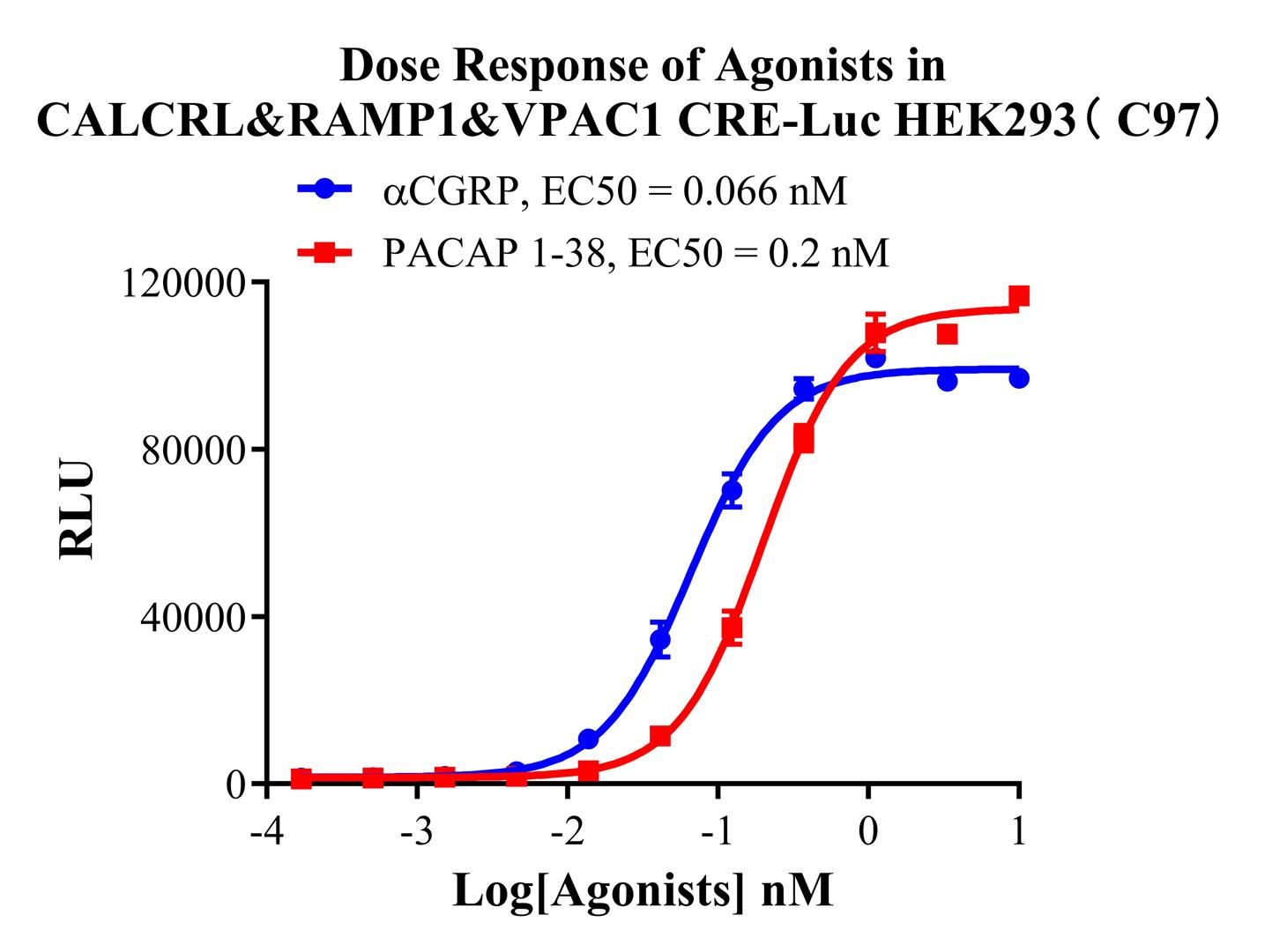
Figure 2. Dose Response of Agonists in CALCRL&RAMP1&VPAC1 CRE-Luc HEK293(C97).
Cell Resuscitation
1)Rapidly thaw the frozen cells in a 37 °C water bath for approximately 60 seconds. Once thawed (which may take slightly less or more than 60 seconds), immediately transfer the cell suspension from the cryovial into a 15 mL centrifuge tube containing 10 mL of pre-warmed HEK293 Human CALCRL RAMP1 VPAC1 CRE-Luc Cell Line complete culture medium.
2)Centrifuge cells at 1000 rpm for 5 min to remove medium, then resuspend cells in 5 mL of pre-warmed complete medium.
3)Transfer the cell suspension into a T25 culture flask and incubate at 37 °C with 5% CO₂.
4)After approximately 24–36 hours, replace the medium or passage the cells to remove non-adherent dead cells.
Subculturing procedure
1)When the cell density reaches the appropriate confluency for passaging, wash the cells with PBS, then add 1 mL trypsin to detach the cells. When more than 80% of the cells detach upon gently tapping the culture flask, add complete culture medium to terminate digestion. Gently pipette to obtain a single-cell suspension, transfer to a 15 mL centrifuge tube, and centrifuge at 1000 rpm for 5 minutes.
2)Discard supernatant after centrifugation. Resuspend cells in fresh medium to a single-cell suspension and transfer to a new culture flask for continued growth.
Cell Freezing
After trypsinization and centrifugation of cells from each T75 flask or 10 cm culture dish, discard the supernatant. Add 2 mL of cryopreservation medium (90% FBS + 10% DMSO), gently resuspend thoroughly, and aliquot into two cryovials. Immediately place the cryovials into a controlled-rate freezing container (e.g., Nalgene 5100-0001), fill with isopropanol to the indicated level, and store at −80 °C. After 24 hours, transfer the cryovials to liquid nitrogen for long-term storage.